
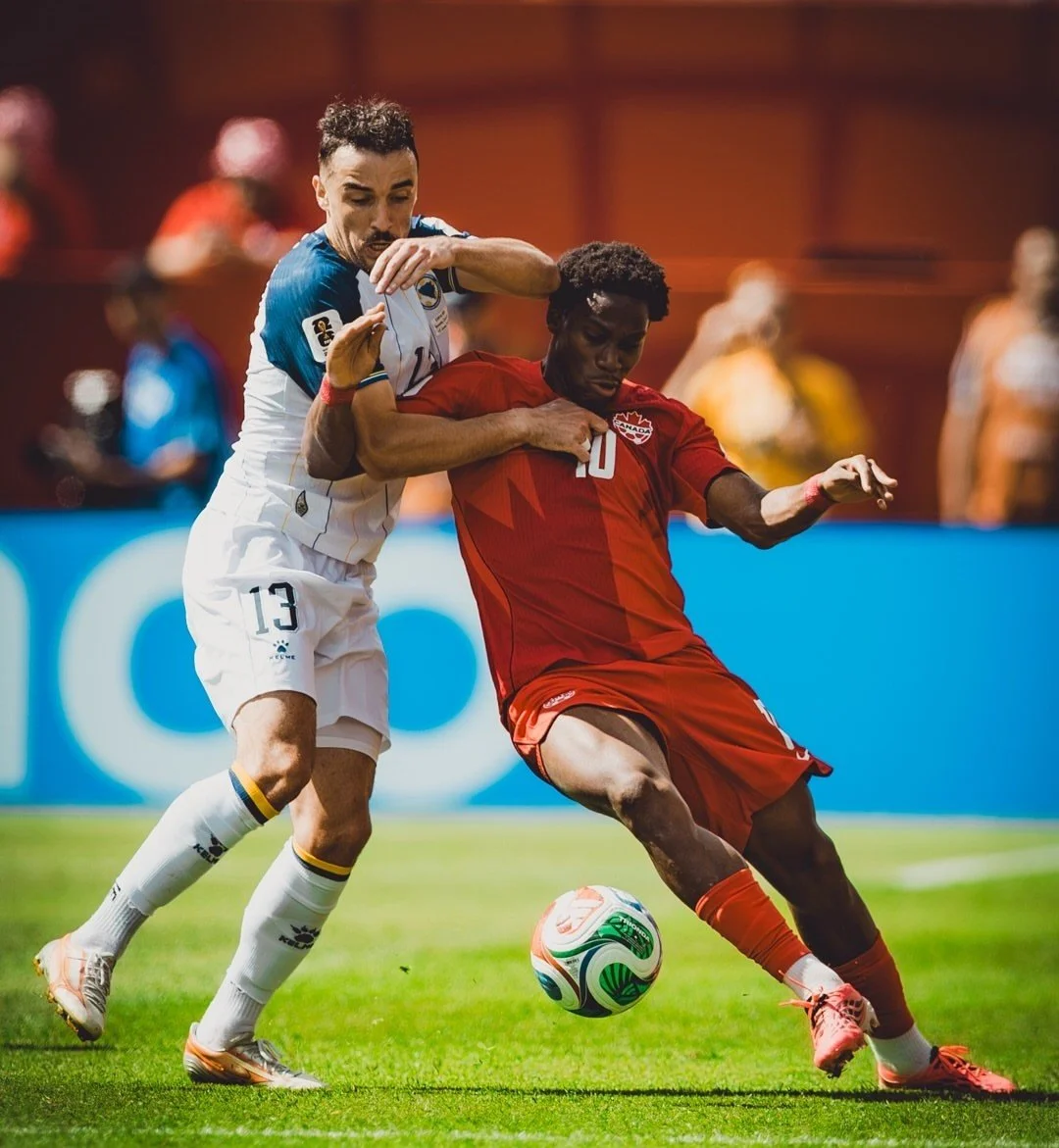
Two Young Football Nations, Different Stages of the Same Journey
Canada and Bosnia-Herzegovina opened their World Cup campaigns with a 1-1 draw in Toronto. Beneath the result sat a deeper story: two nations still writing their football identities, shaped by vastly different histories but connected by the same desire to belong among the game's established powers.
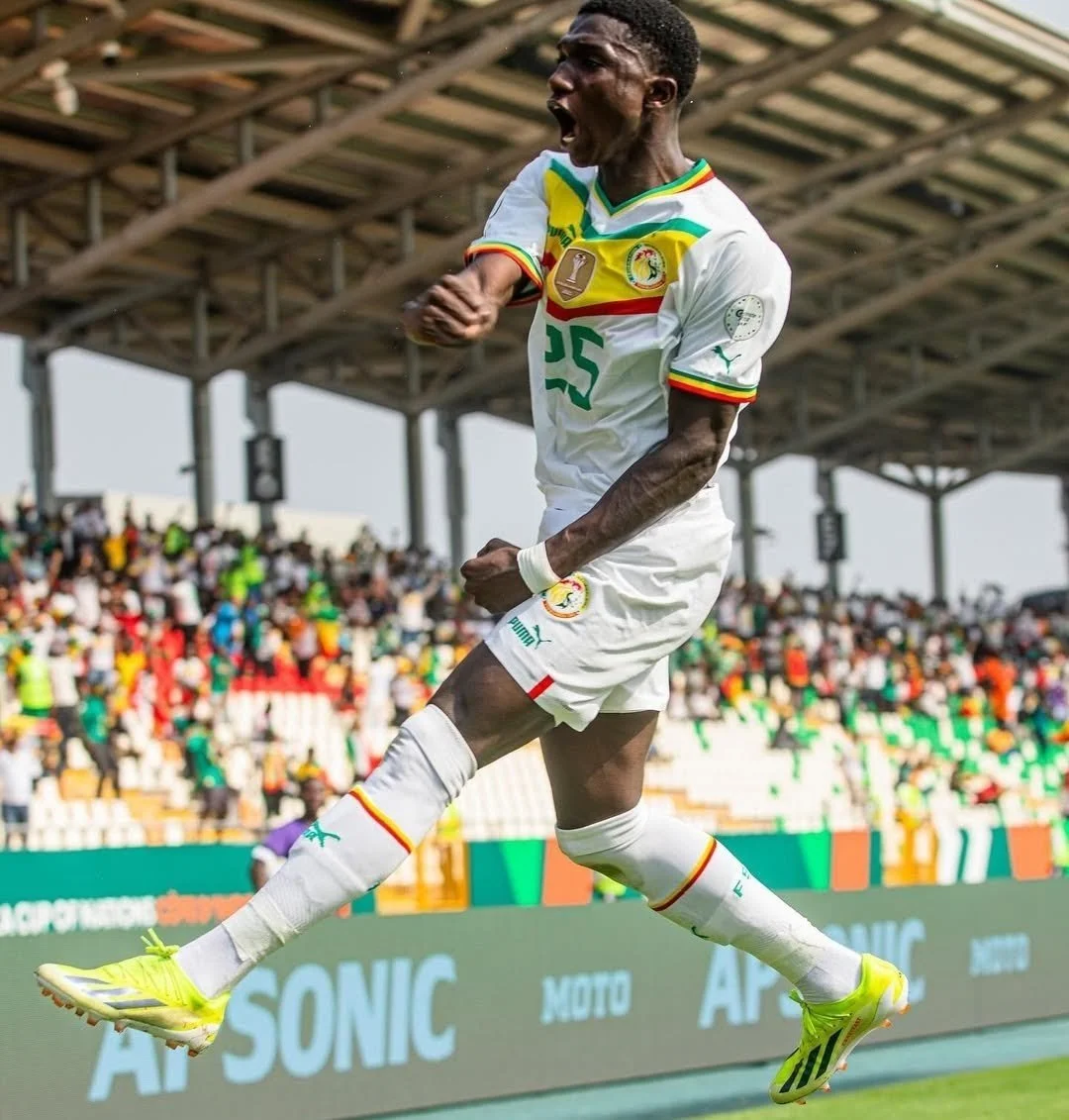
Senegal at World Cup 2026: The Cost of Control
Regardless of the outcome of that process, Senegal want to control the game. Increasingly, they want to control the narrative too. For years, they were discussed as a promising side, then as contenders, then as champions. Now comes the harder task: remaining there.
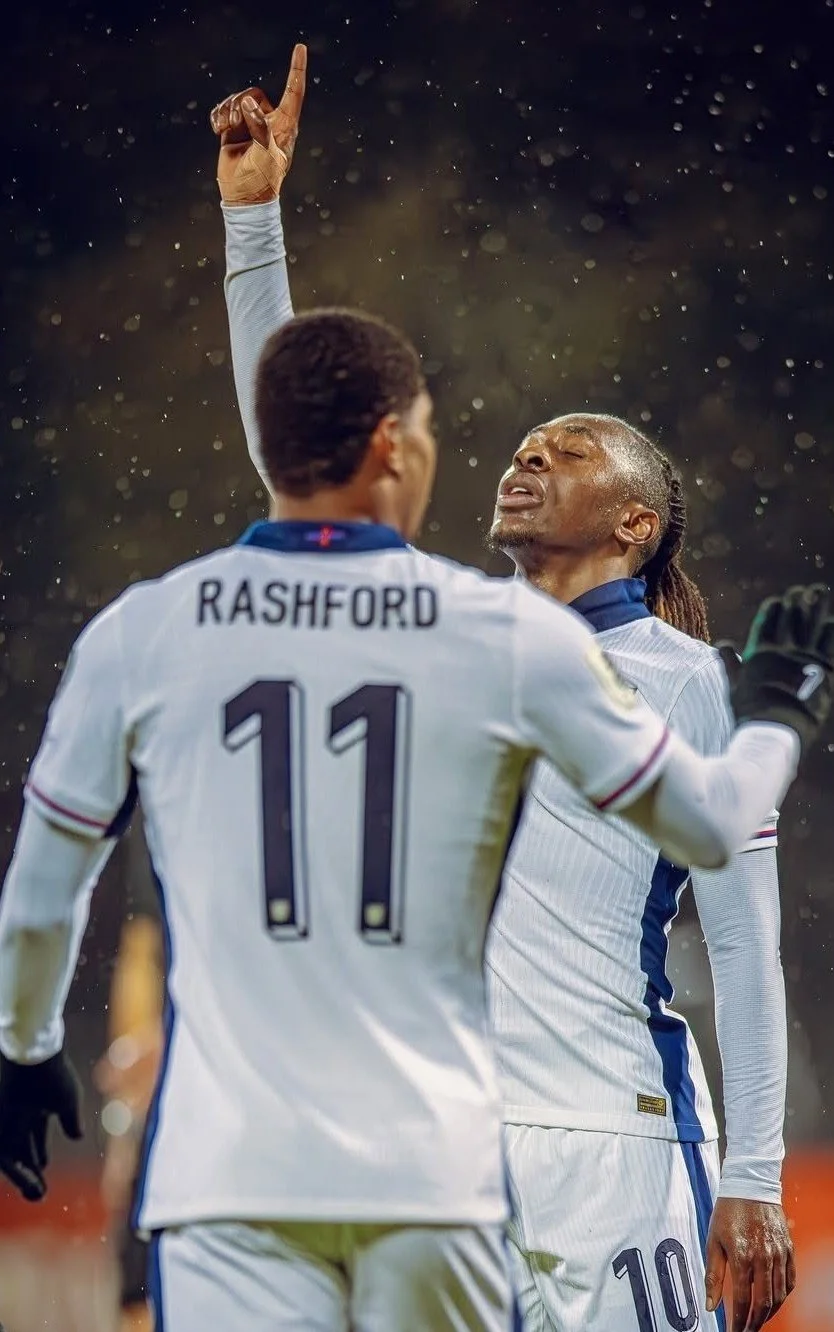
Thomas Tuchel's England Have a Different Kind of Hope
England arrive at the 2026 World Cup carrying familiar expectations, but under Thomas Tuchel they possess something more valuable than hype: a coach with a proven tournament pedigree and a team built for the demands of knockout football.
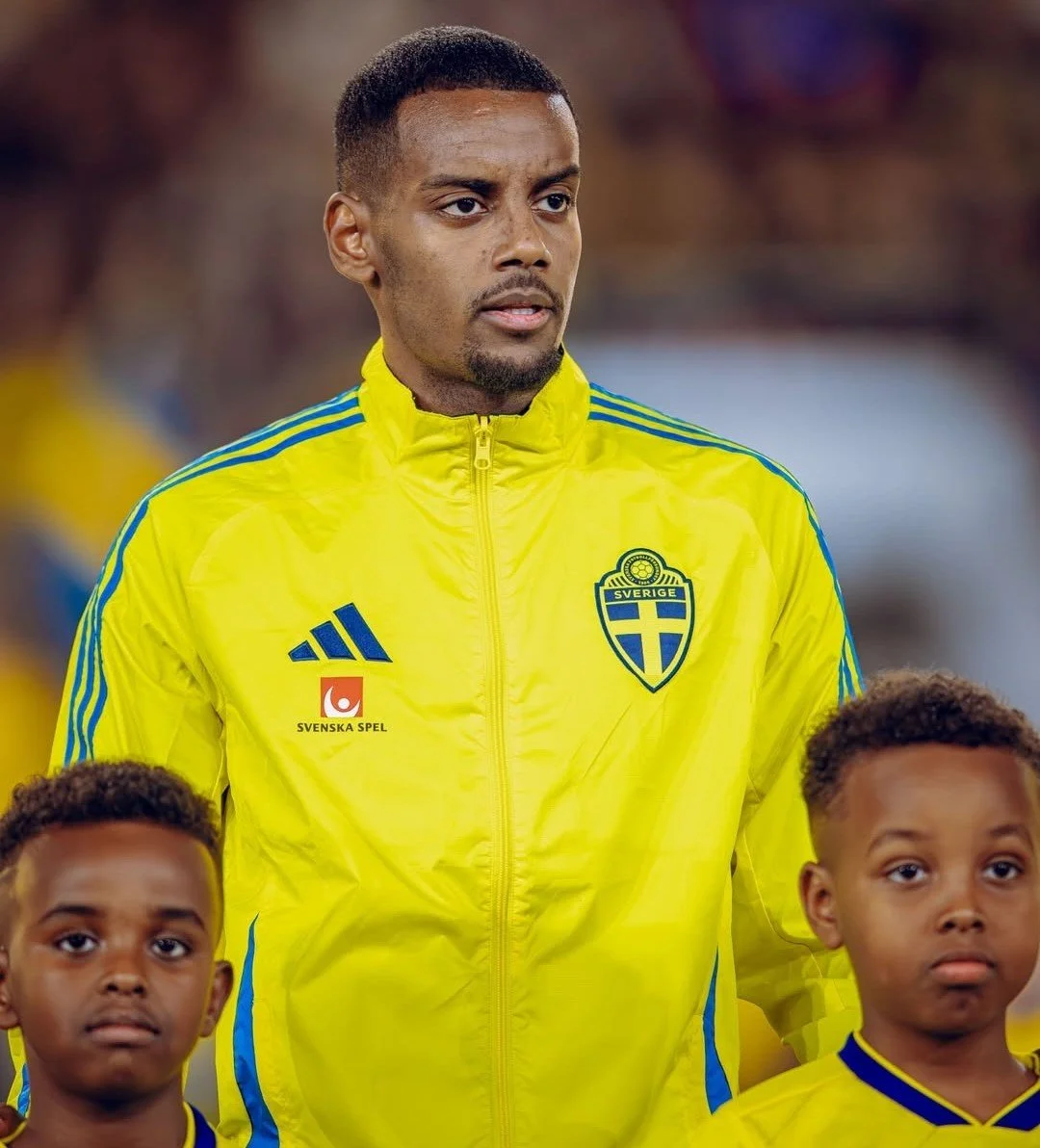
The Potter Effect: Sweden’s Quiet Rise into World Cup Relevance
Sweden were supposed to disappear quietly.
Instead, somewhere between Graham Potter’s appointment last autumn, a pair of gritty playoff performances against Ukraine and Poland, and a revealing friendly against Greece, something shifted. The noise around Europe’s established contenders drowned them out, but Sweden have begun assembling the kind of dangerous attacking identity tournament football occasionally rewards.
No one is suggesting a rerun of 1994. Not yet. But dismissing Sweden now would be a mistake.
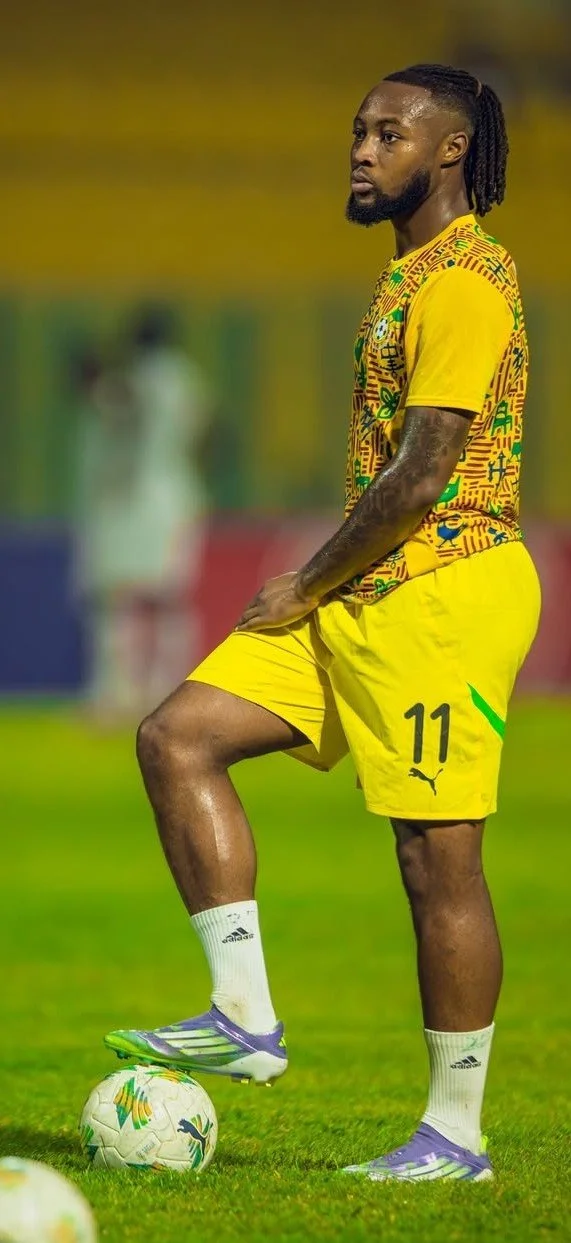
The Weight of Memory: Ghana’s Black Stars and the Price of Expectation
Ghana’s Black Stars still travel with the shadow of 2006 and 2010 behind them, but the currency of past achievement is losing value. Between injury setbacks, managerial flux, and unresolved tactical identity, this is a team heading into the World Cup under pressure from both history and expectation.
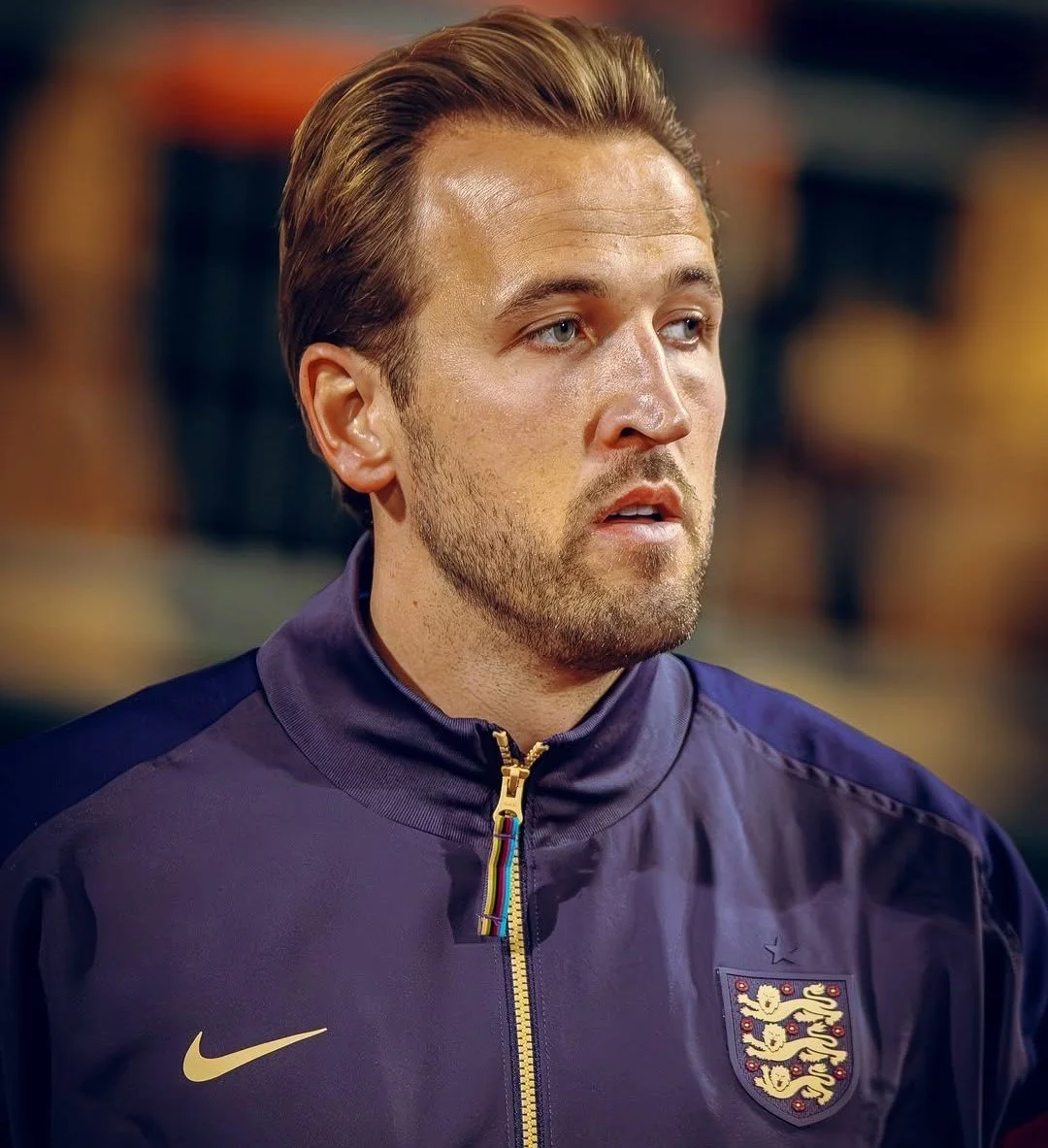
Kane, Dembélé, and Football's Visibility Economy: Why the Ballon d'Or Road Runs Through World Cup 2026
The contrast between Kane and Dembélé reveals something larger than a comparison between two players.
It highlights how modern football distributes attention.
One player enters the World Cup cycle carrying the expectation of accumulation: more goals, more records, more proof.
The other enters with one of football's ultimate validations already secured.
One appears to need everything.
The other appears to have earned room for imperfection.
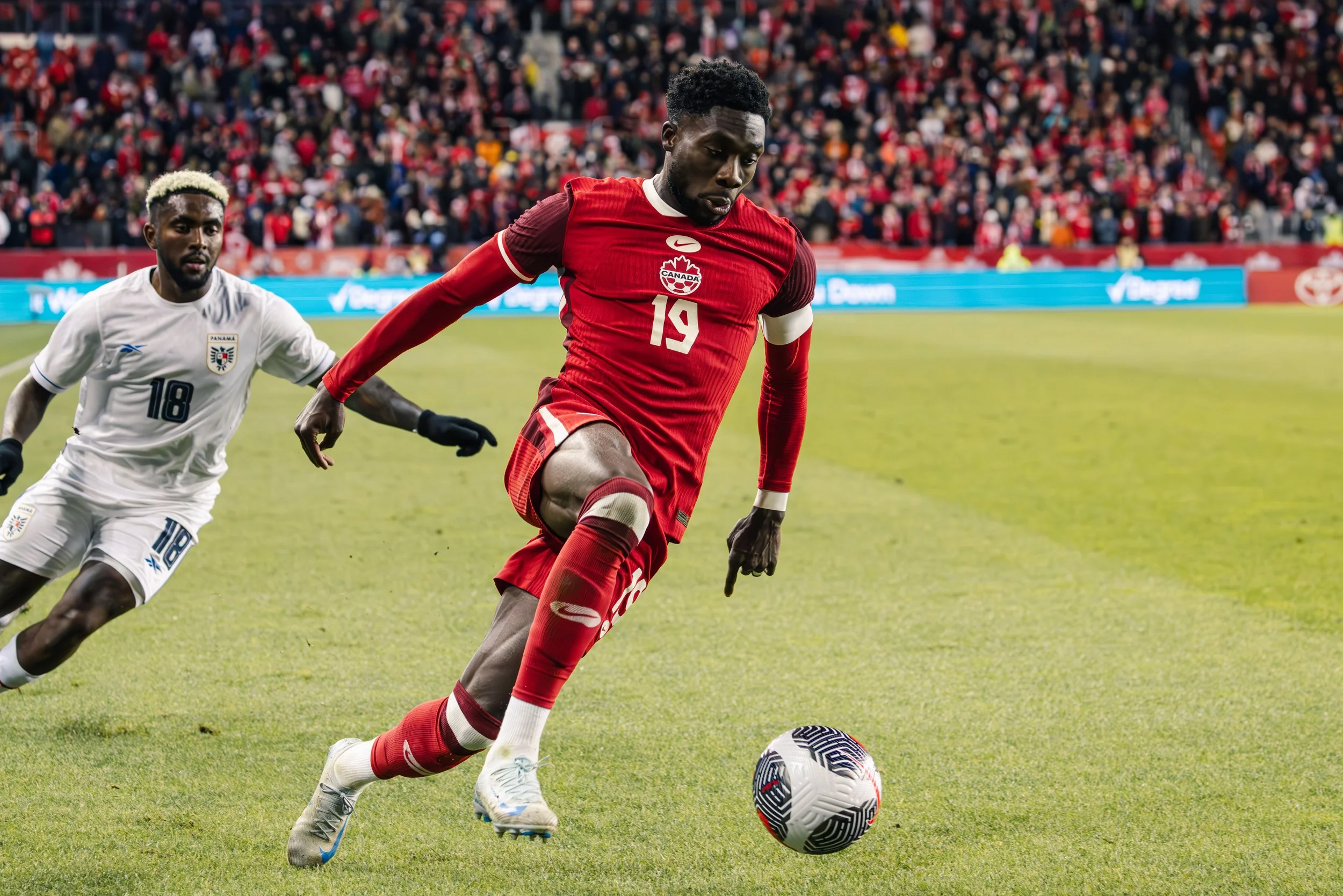
A Home World Cup Begins Without Alphonso Davies. Canada Must Show Who It Has Become.
For years, Canada have been introduced to the world through Alphonso Davies. Through speed. Through possibility. Through the intoxicating feeling that one extraordinary footballer could drag a football nation somewhere entirely new.
Now comes the harder stage of growth.
Can Canada still look like Canada without him?
Marsch appears convinced they can. Much of his tenure has been spent building a team less dependent on individual brilliance and more reliant on collective conviction. The aggressive pressing, the relentless running and the willingness to attack games rather than endure them are all designed to survive the absence of any one player — even Davies.
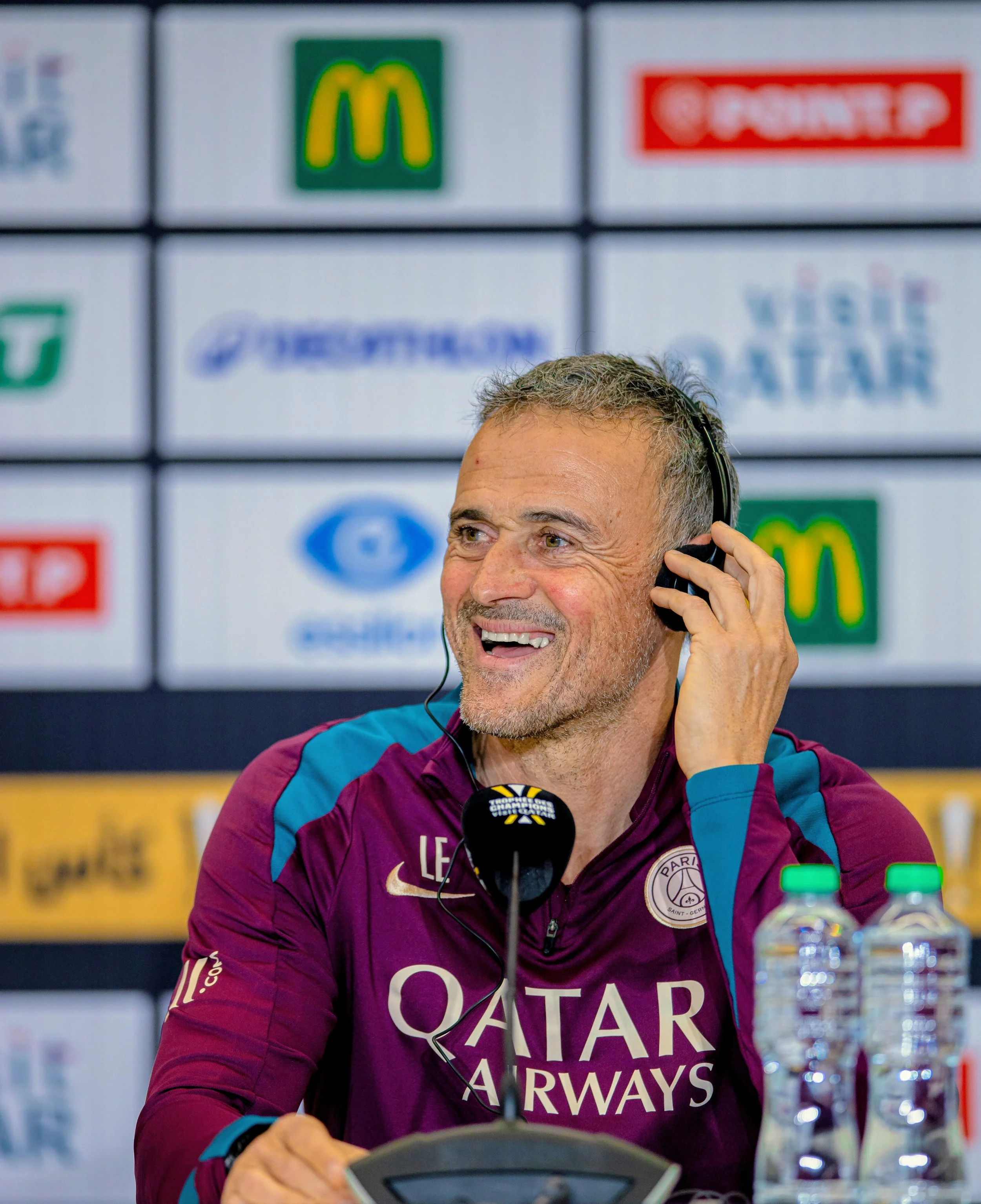
Paris Saint-Germain Finally Stopped Performing Greatness
PSG spent years trying to look like Europe’s most powerful club. Ironically, they only became one after the Galácticos disappeared. Under Luis Enrique, Paris Saint-Germain has traded celebrity for cohesion, spectacle for suffering and branding for belief.

No One Cared Until the Mask: Viktor Gyökeres, Reinvention and Arsenal’s New Identity
For much of autumn, Viktor Gyökeres looked like a striker caught between two versions of himself. The devastating transition forward who terrorised Portugal had arrived in England only to discover that Mikel Arteta required something more intricate, more restrained and more cerebral.
Yet as Arsenal’s season narrowed towards Budapest, the adaptation began to resemble evolution. And there is something strangely poetic about where it has led him: to a Champions League final in the city woven into his family heritage.
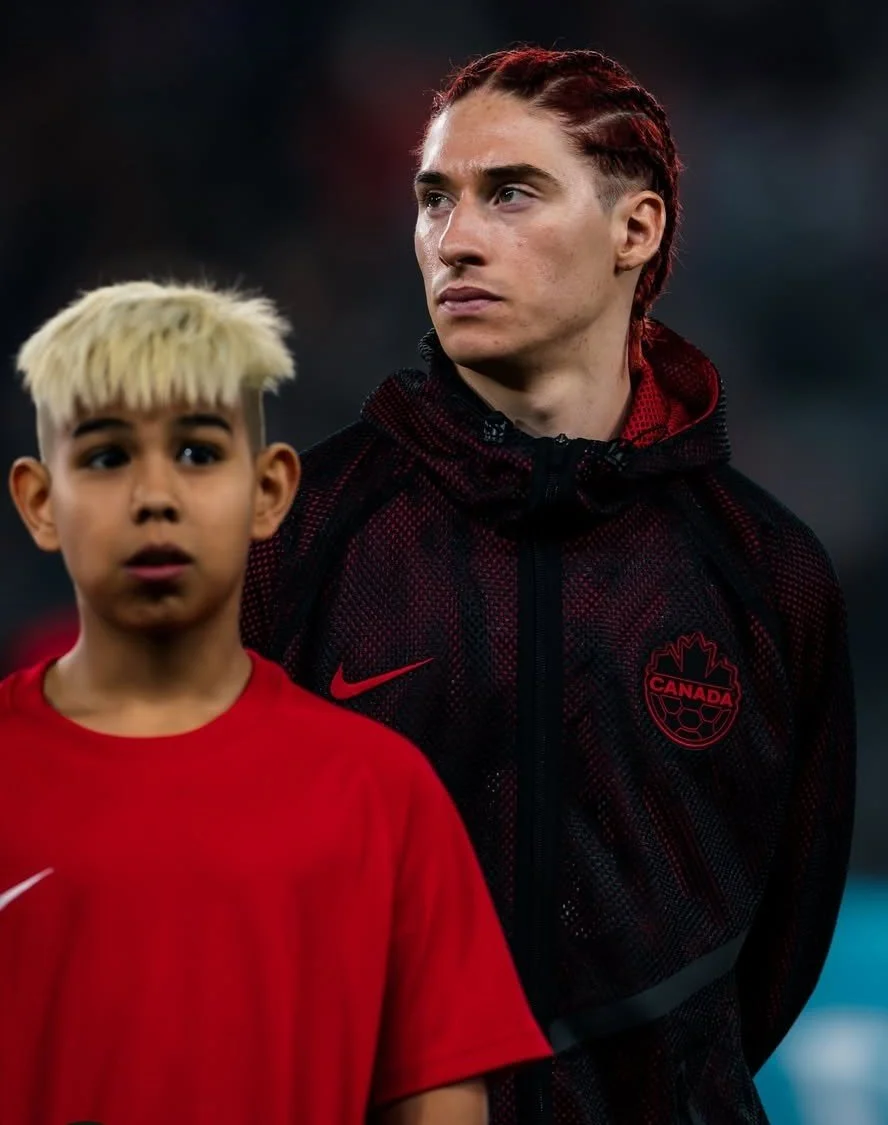
Marcelo Flores’ Canada Switch Explained: Talent, Identity and Tactical Value
Marcelo Flores once represented possibility — a gifted dual-national courted by both Canada and Mexico, carrying the weight of expectation from two footballing cultures. Now, the former Arsenal prodigy is evolving into something more valuable: a complete international footballer capable of giving Canada creativity, tactical balance and relentless work rate at exactly the right moment.
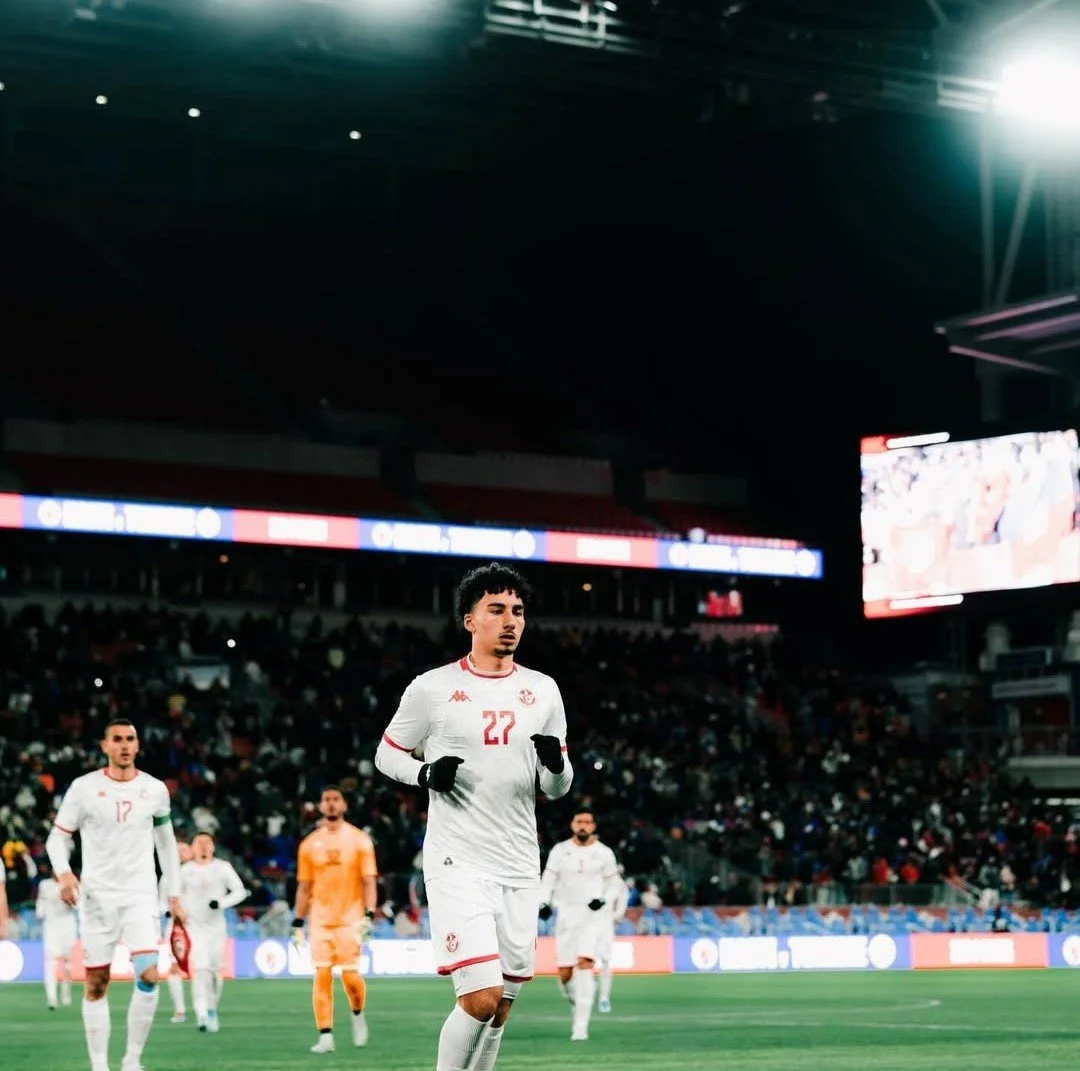
Rayan Elloumi: Canadian-Born Speedster Embodies Tunisia’s World Cup Vision
Rayan Elloumi, an 18-year-old Canadian-Tunisian winger, made his international debut in Canada with Tunisia. Blessed with pace and a fearless mentality, he navigated eligibility decisions, development pathways, and opportunity costs to embody Sabri Lamouchi’s bold vision for a new generation of players.

Canada Soccer Media and Entertainment: James Johnson and the Transformation to a New Era
From player protests to opaque contracts, Canada Soccer Business struggled to match the team’s on-field success. Under James Johnson, Canada Soccer Media and Entertainment is transforming visibility, sponsorships, and player support, creating a new era for Canadian soccer ahead of World Cup 2026.
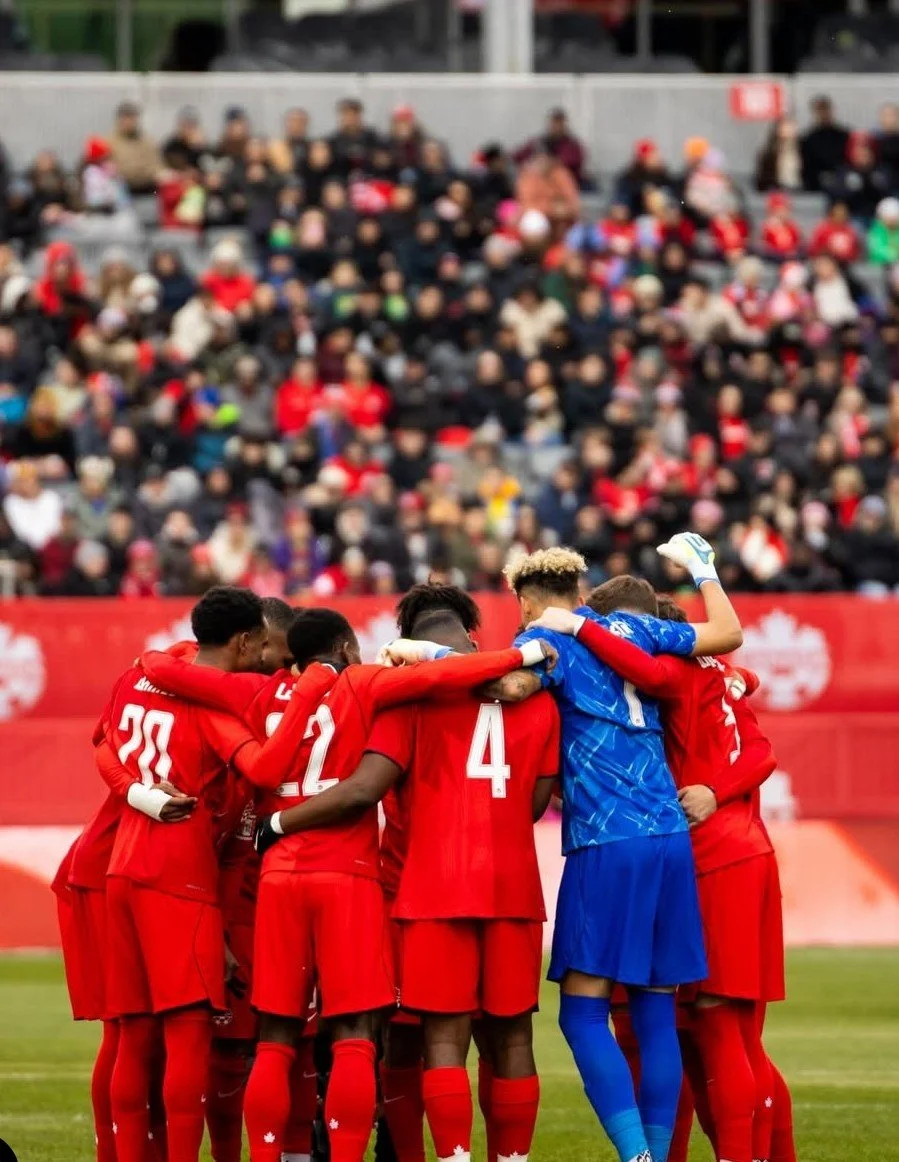
Canada Soccer’s Rise: World Cup 2026 and the Challenges Ahead
On a cold March afternoon, Canadian fans braved snow and wind to cheer on their national team, signaling a new era for soccer in the country. With World Cup 2026 on the horizon, Peter Augruso’s vision, rising domestic leagues, and a commitment to youth development are turning Canada into a serious contender on the global stage.