
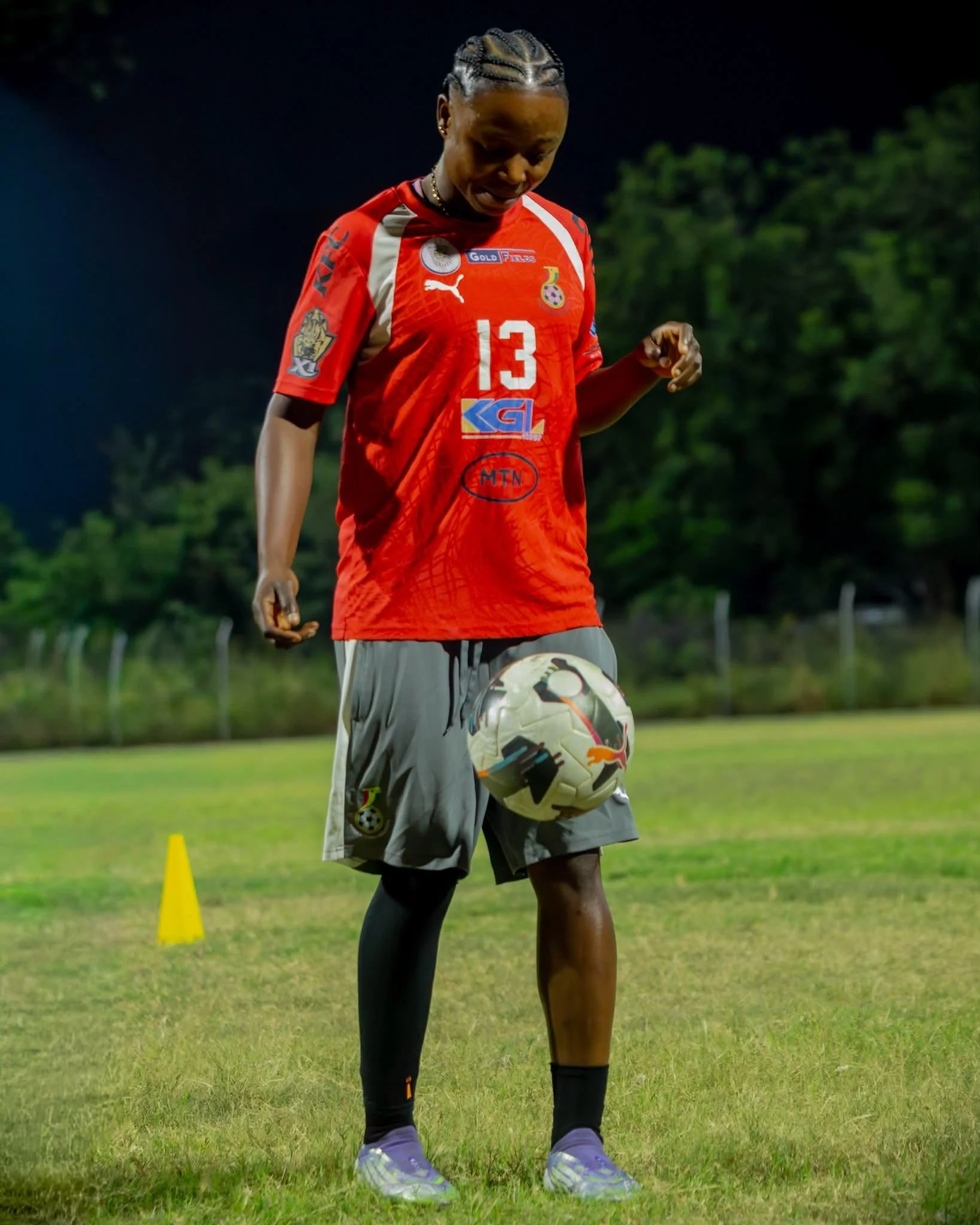
Badu Scores as Ghana Take Another Step Towards LA 2028
Evelyn Badu continued her impressive international form as Ghana swept past Mauritius 10-0 on aggregate to advance in qualifying for the 2028 Olympic Games.
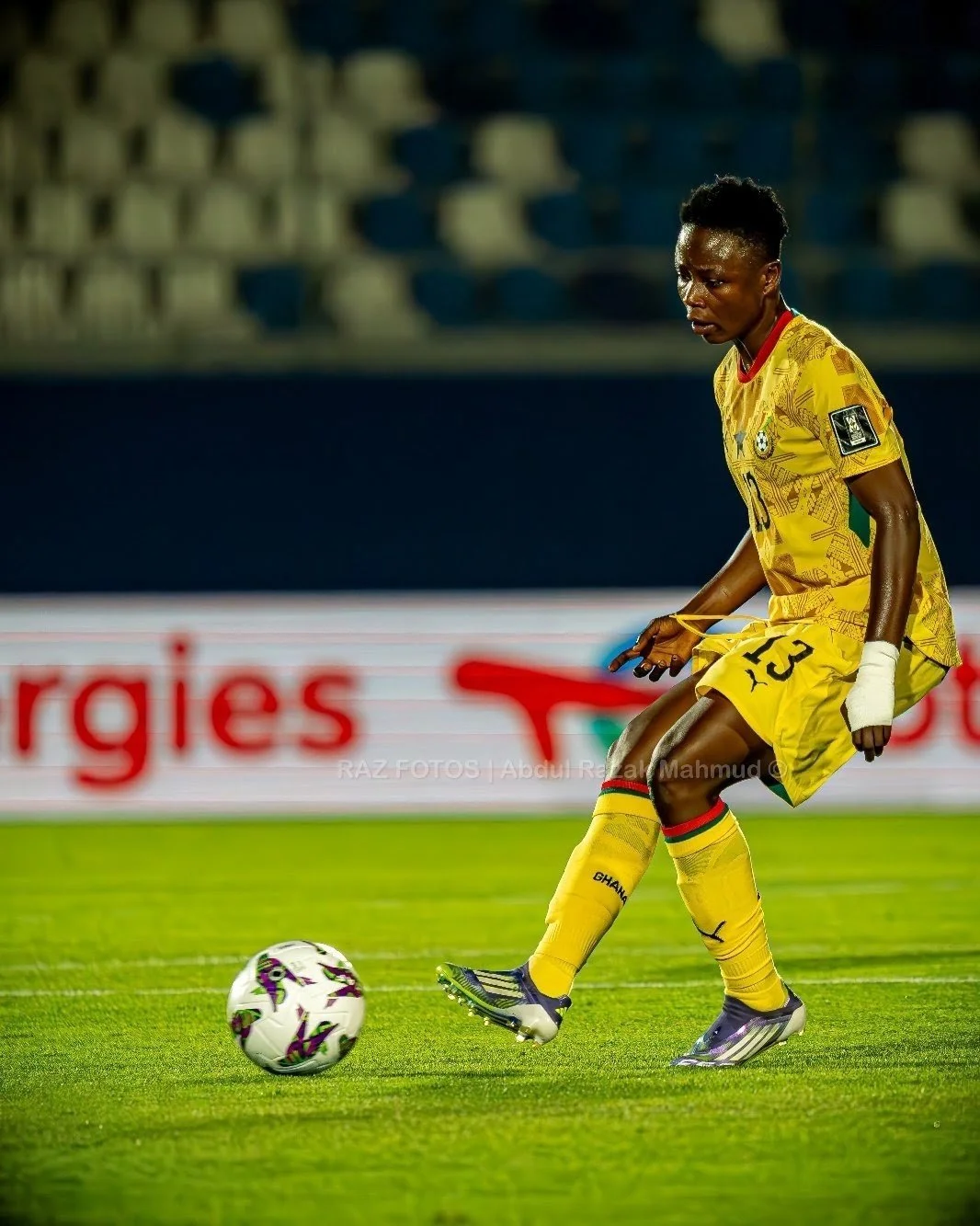
WAFCON Ends. The Journey to Brazil Does Not.
For Esther Okoronkwo, Evelyn Badu and Linda Owusu-Ansah, WAFCON 2026 was less a destination than a measuring stick. All three Northern Super League players leave Morocco with different stories, but each returns to Canada with something tangible: experience, momentum and a clearer sense of where they fit on a changing African football landscape.
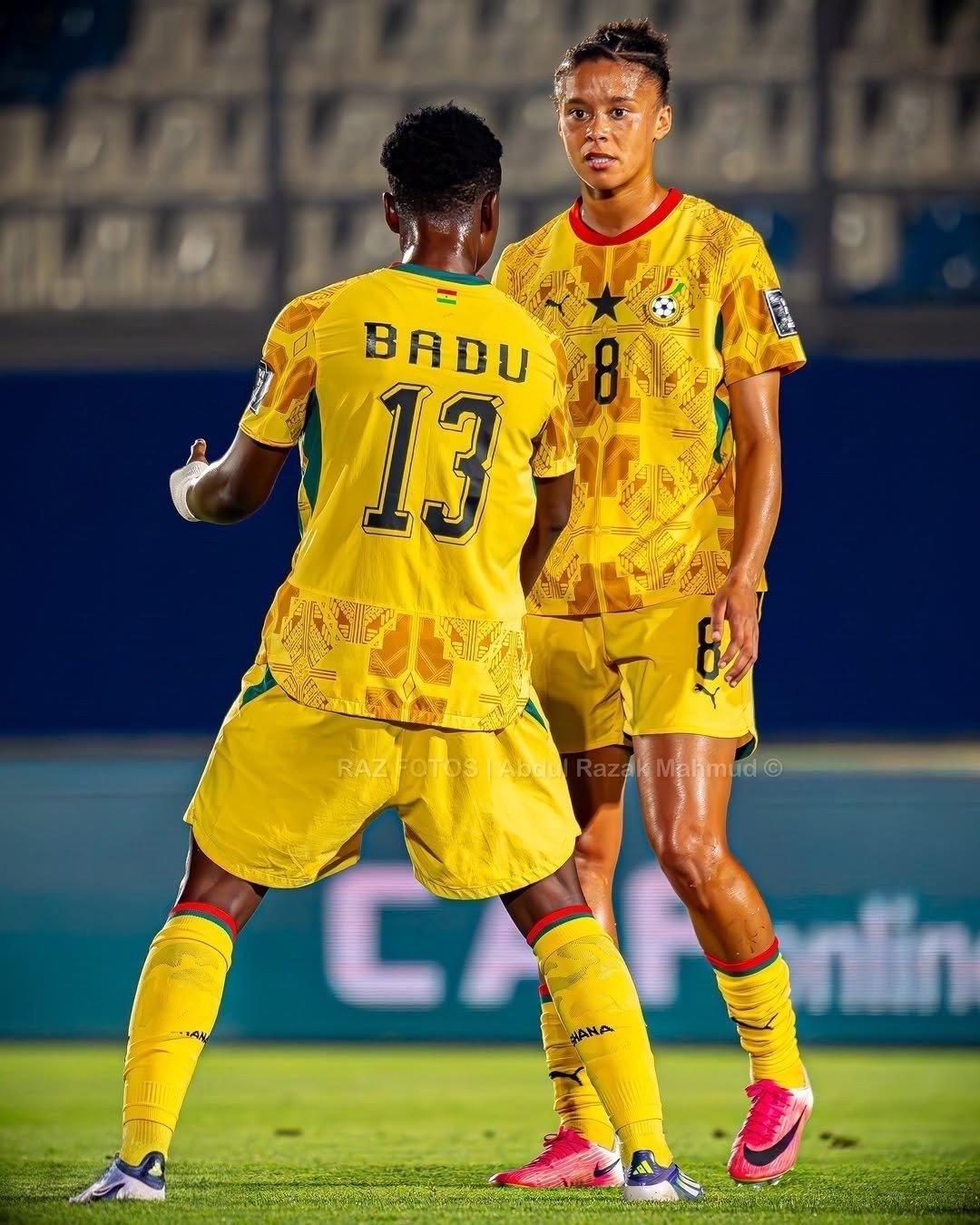
WAFCON Heartbreak for NSL Trio — But World Cup Hope Remains
The WAFCON journey is over for Northern Super League stars Esther Okoronkwo, Evelyn Badu and Linda Owusu-Ansah. Nigeria fell 1-0 to Cameroon and Ghana suffered a 2-1 defeat to historic debutants Malawi. But the road to Brazil 2027 is not yet closed: Nigeria and Ghana will play matches on Thursday for a place in FIFA’s World Cup Play-Off Tournament.
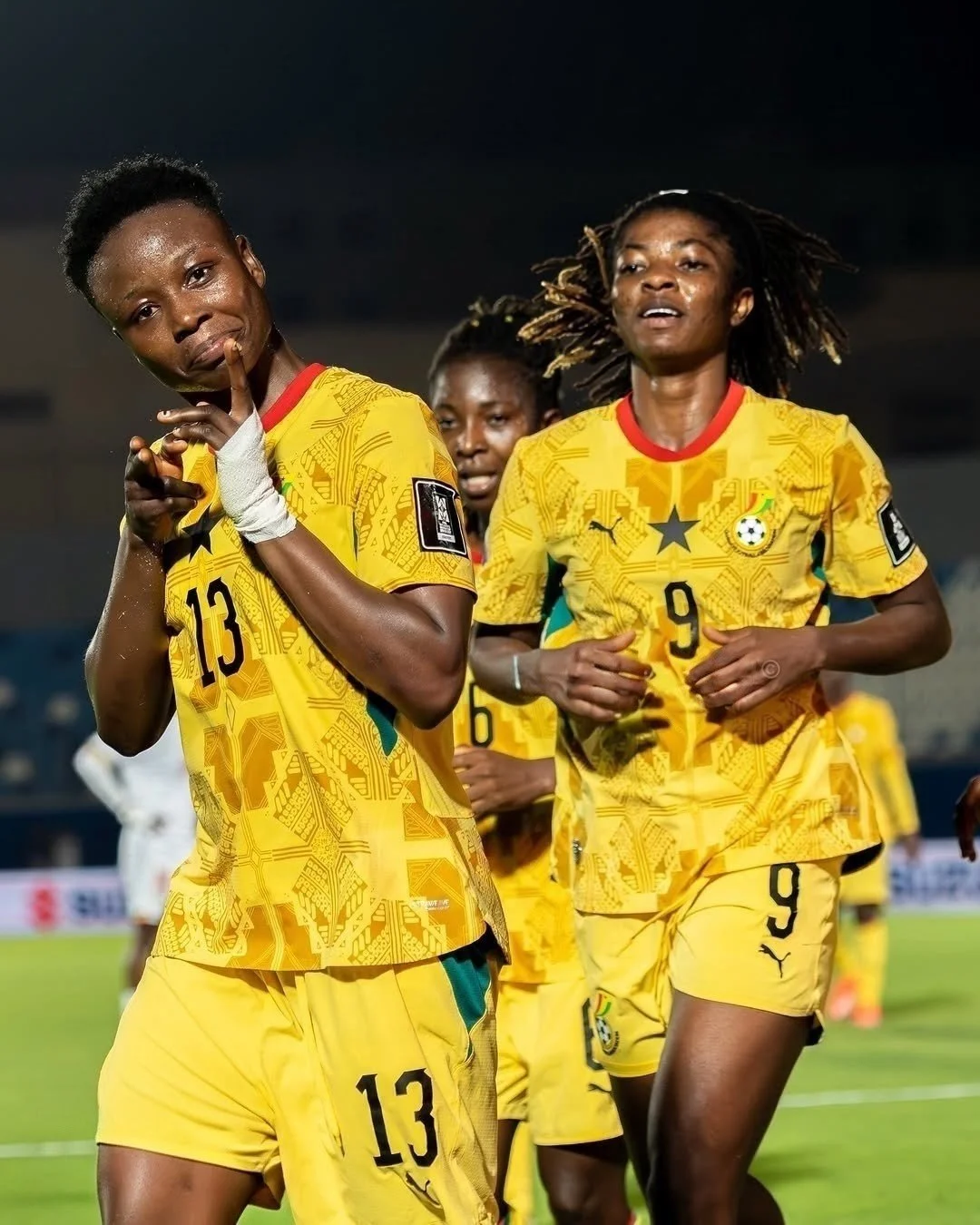
Badu Scores Crucial Goal as NSL Players Progress at WAFCON
The Northern Super League's influence at WAFCON continues to grow. Nigeria rested Esther Okoronkwo with qualification secured, Evelyn Badu sent Ghana into the quarter-finals, and Linda Owusu-Ansah's performances have put her in contention for Ghana's U-20 World Cup squad.
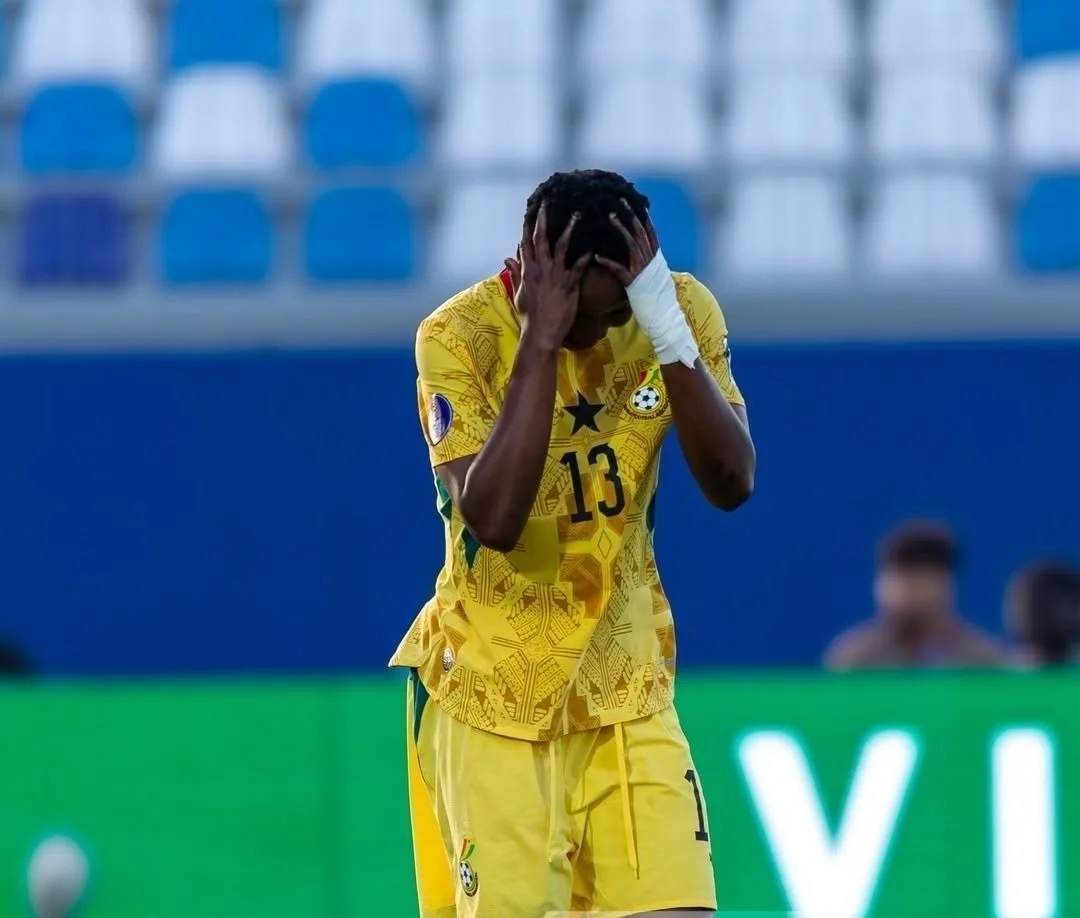
NSL at WAFCON: Badu Denied, Okoronkwo Rested as Knockout Race Tightens
Northern Super League players continued their involvement in the Women's Africa Cup of Nations on Matchday 2, with Esther Okoronkwo helping Nigeria edge closer to the quarter-finals, Evelyn Badu seeing a goal ruled out by VAR, and Linda Owusu-Ansah earning another appearance for Ghana in a pivotal group-stage encounter.
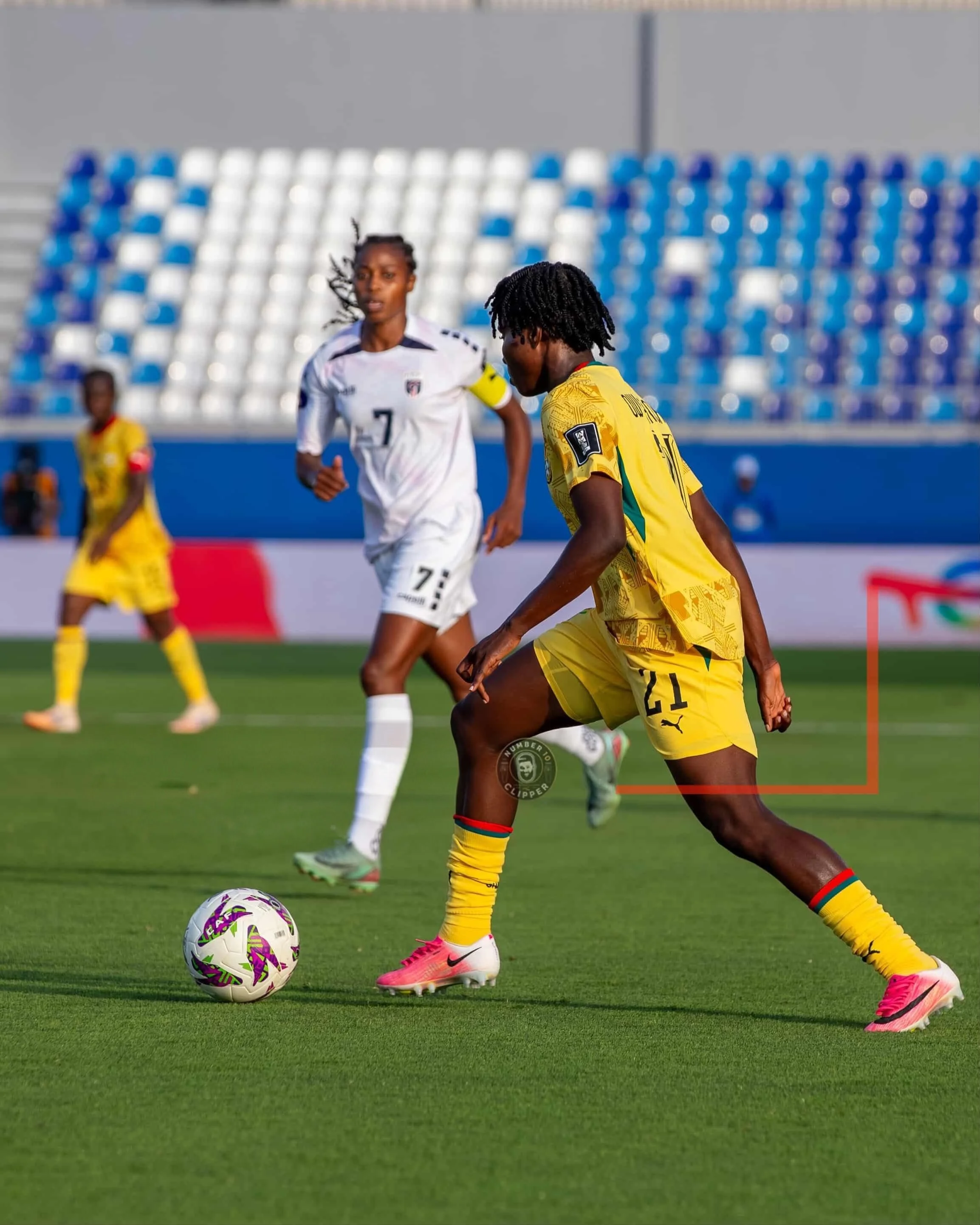
NSL at WAFCON: Three Journeys. One Tournament
Three Northern Soccer League players featured as WAFCON got underway. Esther Okoronkwo returned to Nigeria's starting line-up after months out, Linda Owusu-Ansah earned her senior Ghana debut and Evelyn Badu watched from the bench. Here's what Matchday 1 revealed—and what comes next.
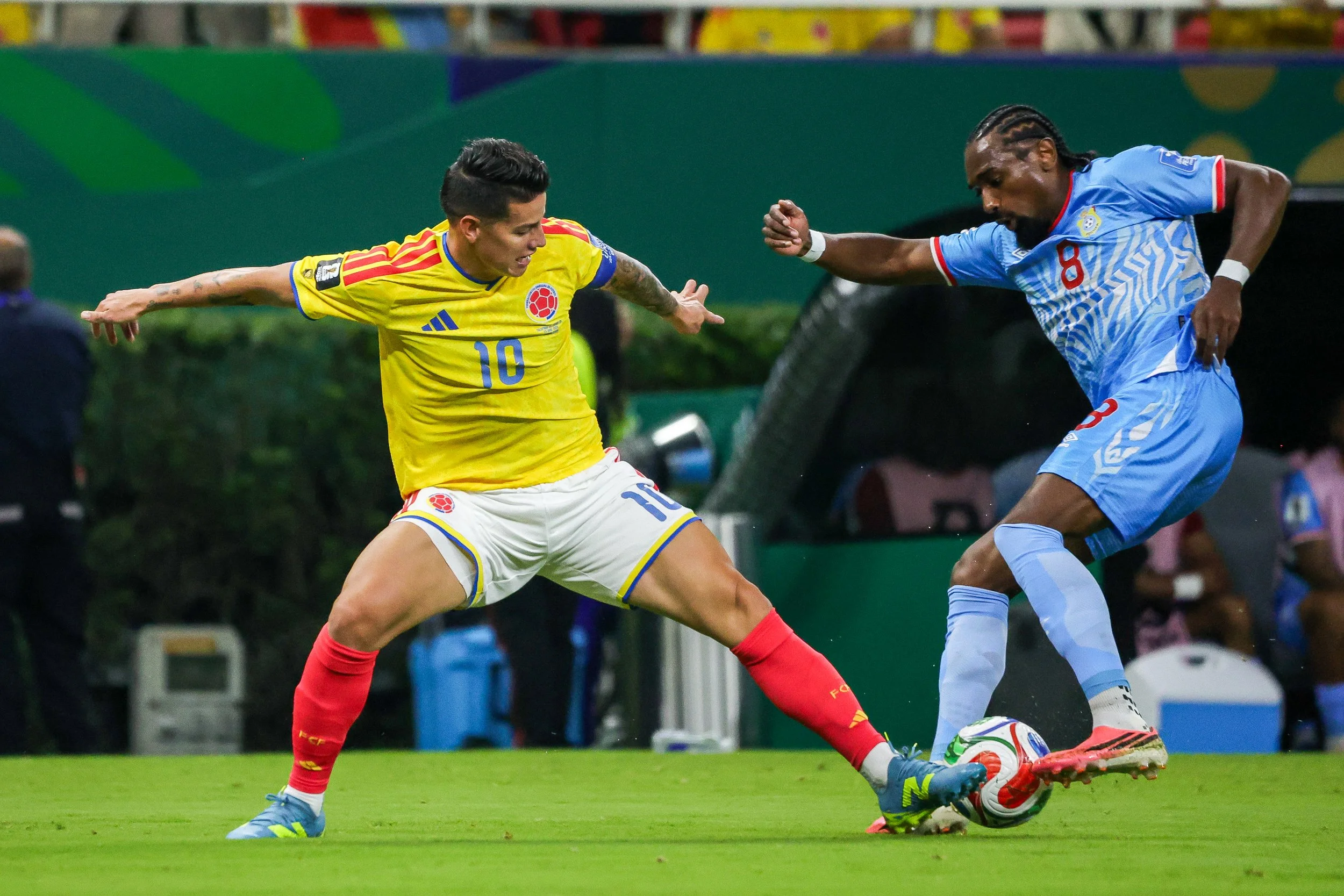
The 48-Team World Cup Didn't Settle the Expansion Debate. It Changed the Question.
The first expanded World Cup was never going to answer every question about FIFA's boldest reform. But after the Round of 32, it has become clear that the debate is no longer simply about whether more teams deserve a place. It is about what qualification, competitiveness and success now mean in a tournament that has fundamentally altered football's competitive landscape.
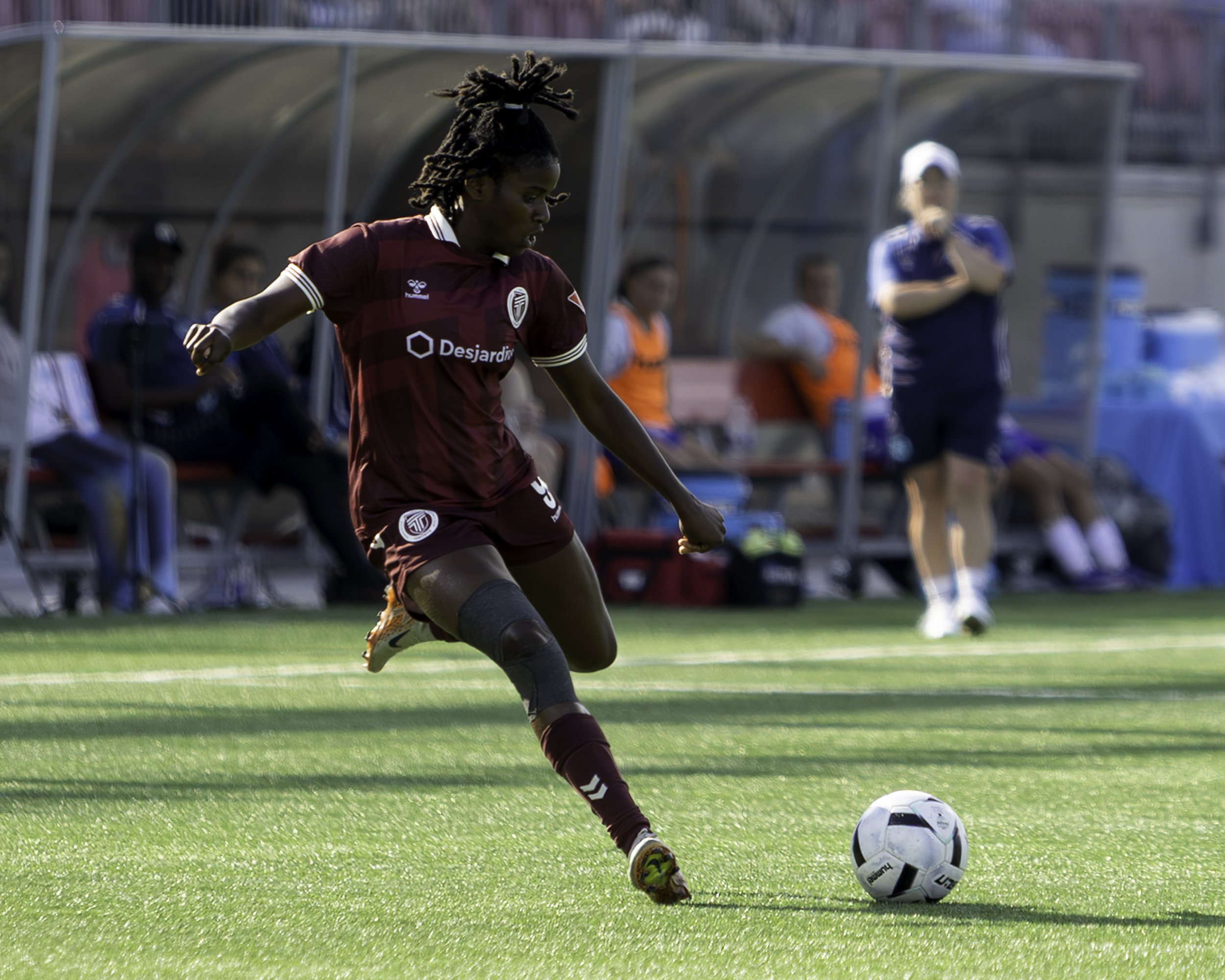
From Canada to Casablanca: The Northern Super League's Growing Influence on the Global Stage
The Northern Super League's footprint now extends well beyond Canada. As WAFCON 2026 kicks off in Morocco, players from AFC Toronto and Montreal Roses will look to carry the league's ambitions onto one of African football's biggest stages.
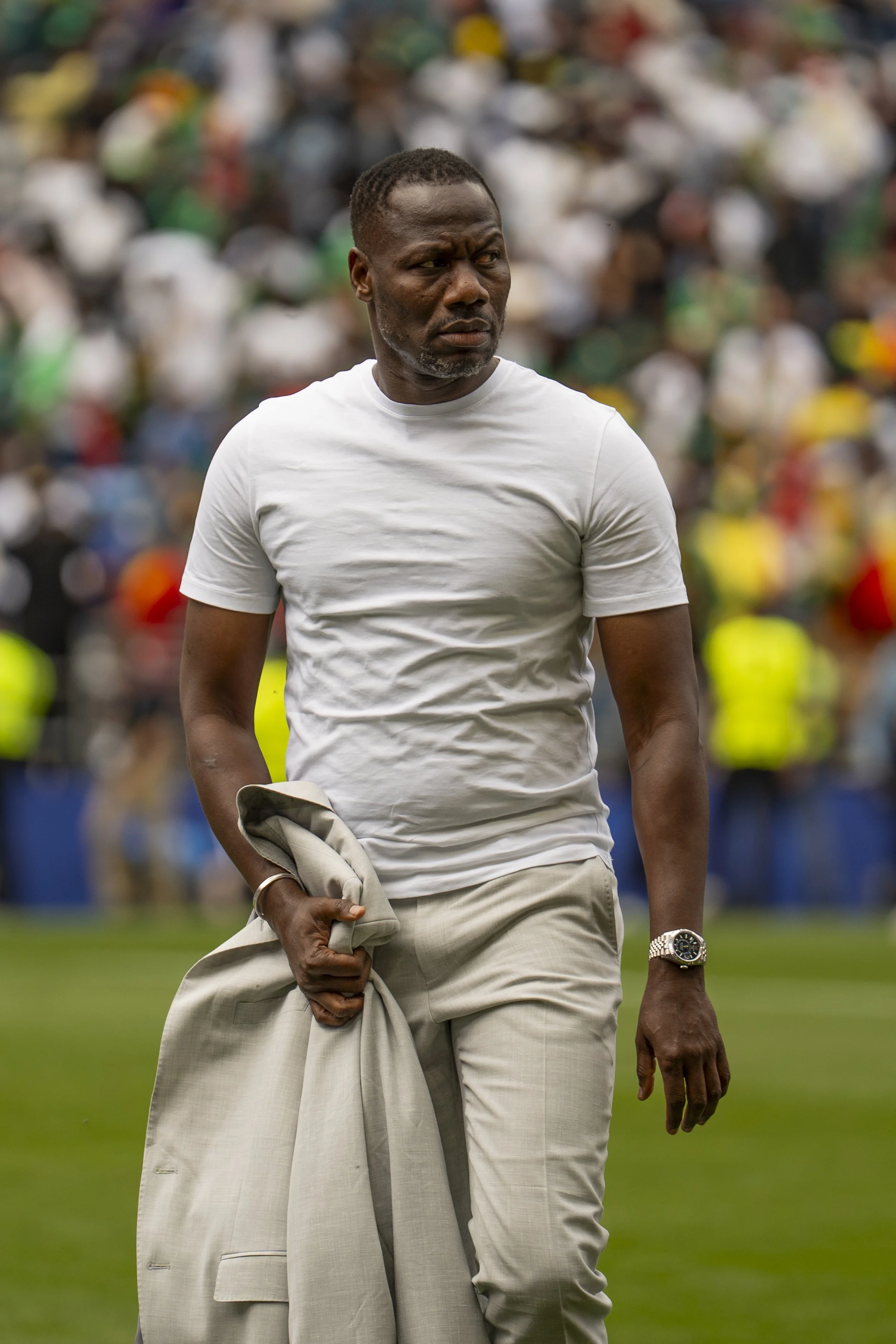
Africa's Round of 32 Inquisition: The Tactical Decisions That Ended World Cup Dreams
Nine African teams reached the expanded FIFA World Cup knockout rounds, a landmark achievement on paper. Yet only Morocco and Egypt survived, and neither did so within 90 minutes. The numbers suggest progress. The football demands a more uncomfortable conversation. Africa's Round of 32 exits were defined less by technical limitations than by tactical inertia when matches began to change.
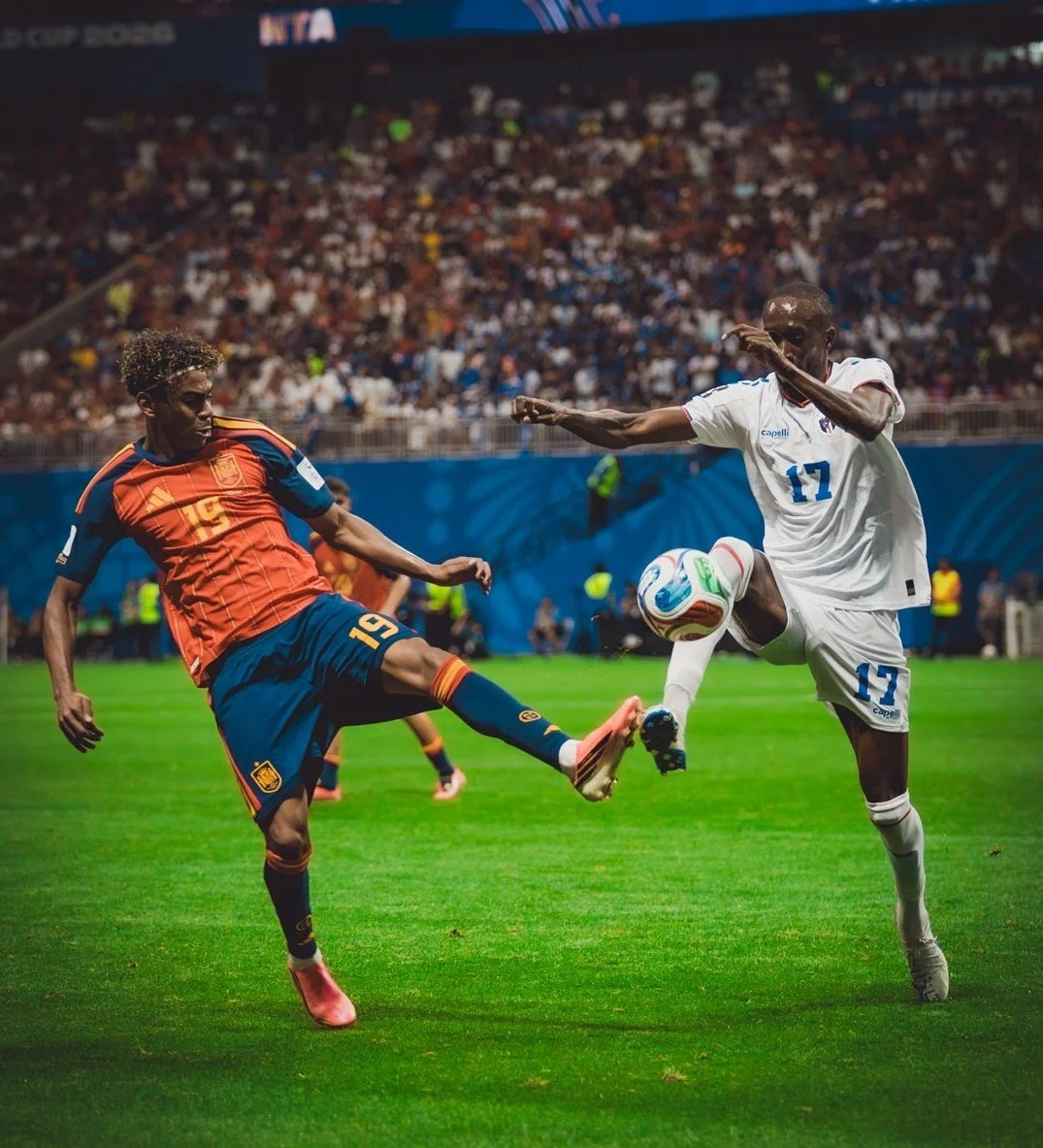
Africa’s World Cup Moment: Depth, Discipline and the Test That Still Matters
CAF enters the knockout phase of the 2026 World Cup with numbers, nuance and tactical maturity across multiple teams. But the next week will determine whether Africa’s progress is structural—or still awaiting confirmation on the biggest stage.
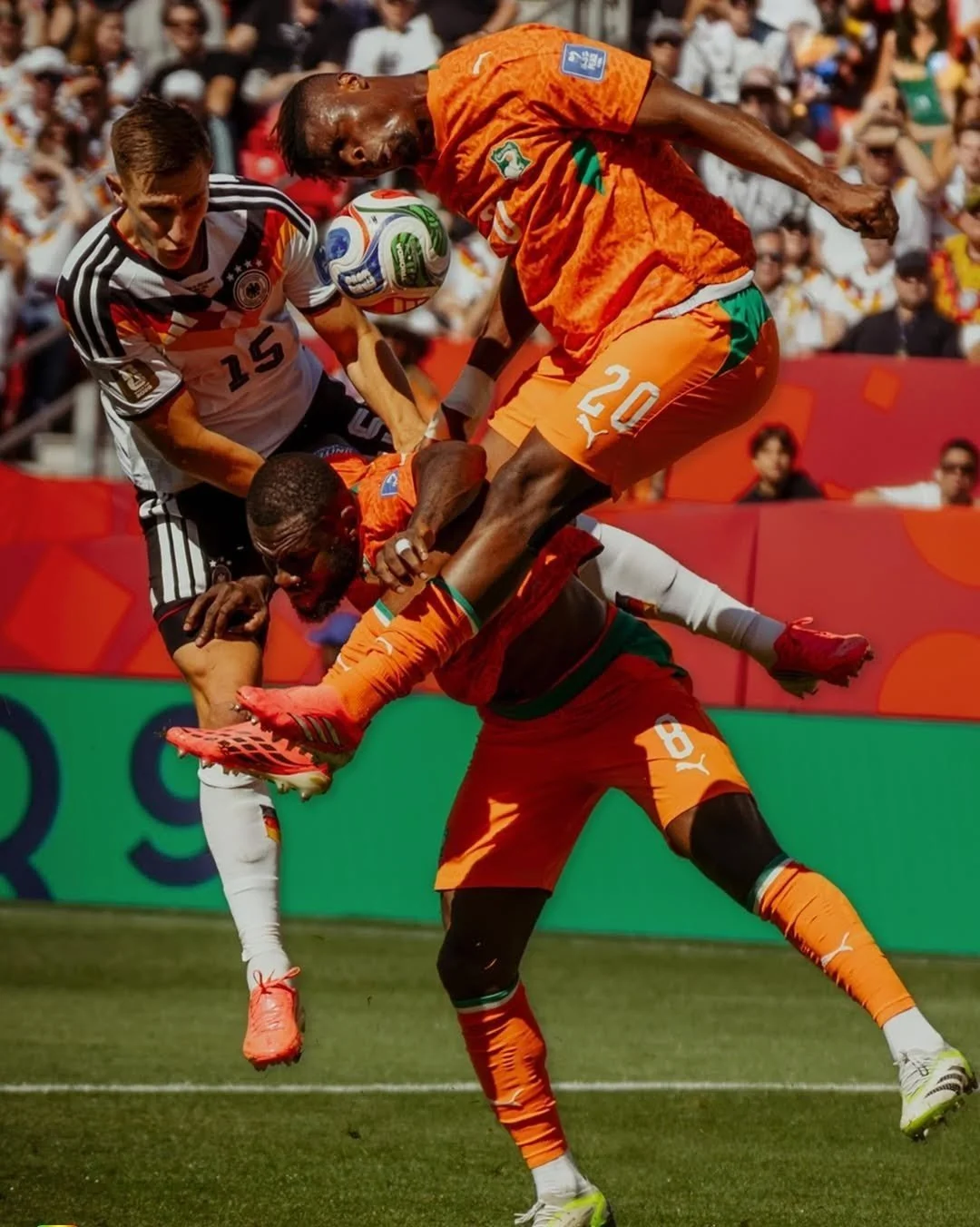
When Systems Collide: Germany’s Late Surge, Côte d’Ivoire Refuses the Script
Germany survived until stoppage time, but only just. Against an Côte d’Ivoire side shaped by migration, French academies and the confidence of a 2024 AFCON title, the World Cup tie became less a contest of nations than a collision of footballing systems. In the end, Germany’s depth—and a stoppage-time finish from Deniz Undav—decided it. Barely.
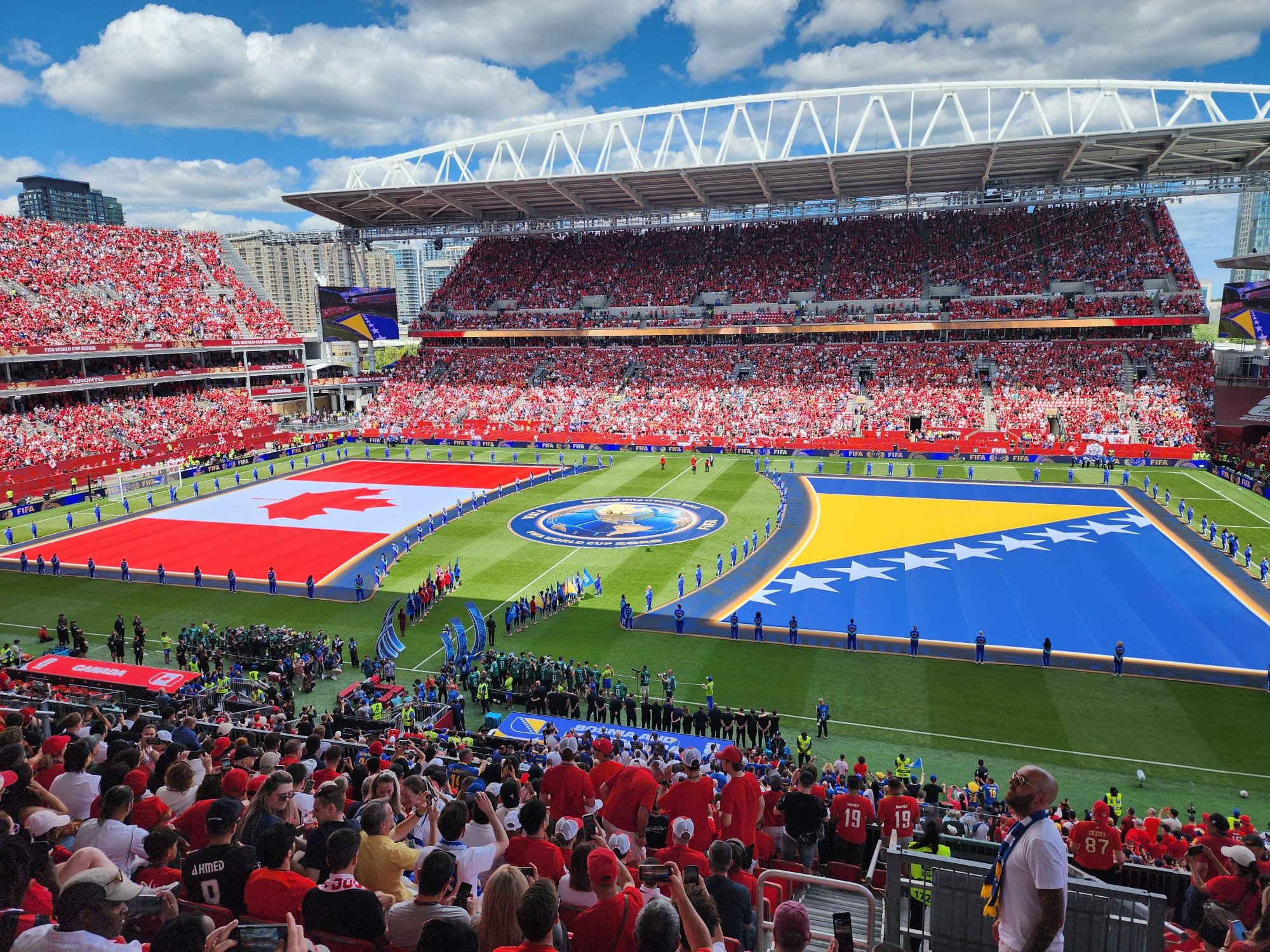
A Mirror in the Stadium: Toronto at the World Cup
The World Cup comes to Toronto—but the real story is what Toronto becomes when it arrives. Across stadiums and fan zones, diaspora communities turn football into a mirror of a city built on overlapping identities.
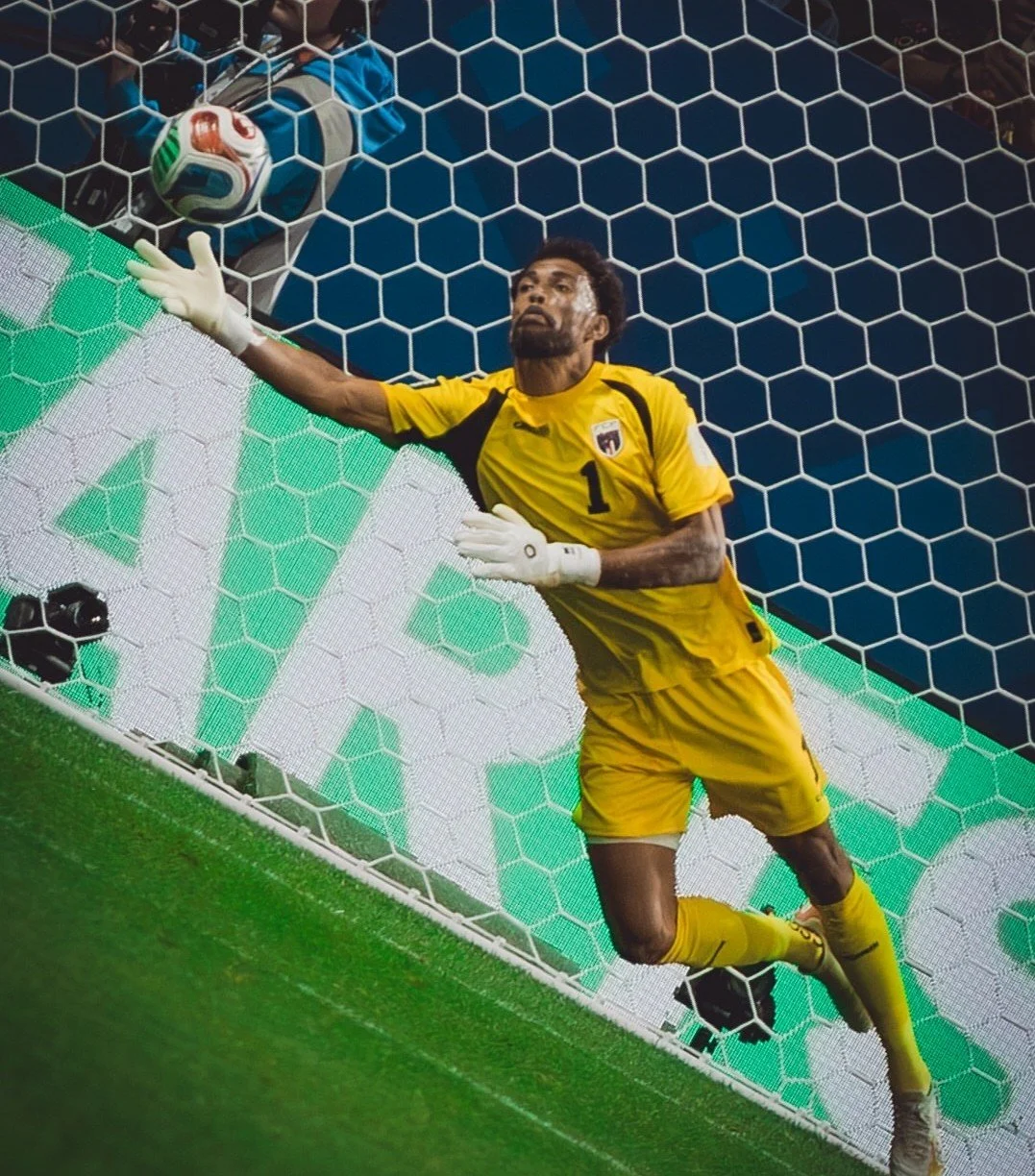
Cabo Verde's Draw With Spain Wasn't a Miracle. It Was a Warning.
Spain were favourites. Nobody sensible disputes that. But the temptation to frame Cabo Verde's draw as a seismic upset misses the more interesting truth. This result was not football chaos. It was football evolution.
A nation built through smart diaspora recruitment, tactical clarity and years of competitive growth arrived on the World Cup stage and proved that the gap between football's traditional powers and its ambitious challengers is shrinking faster than many are willing to admit.
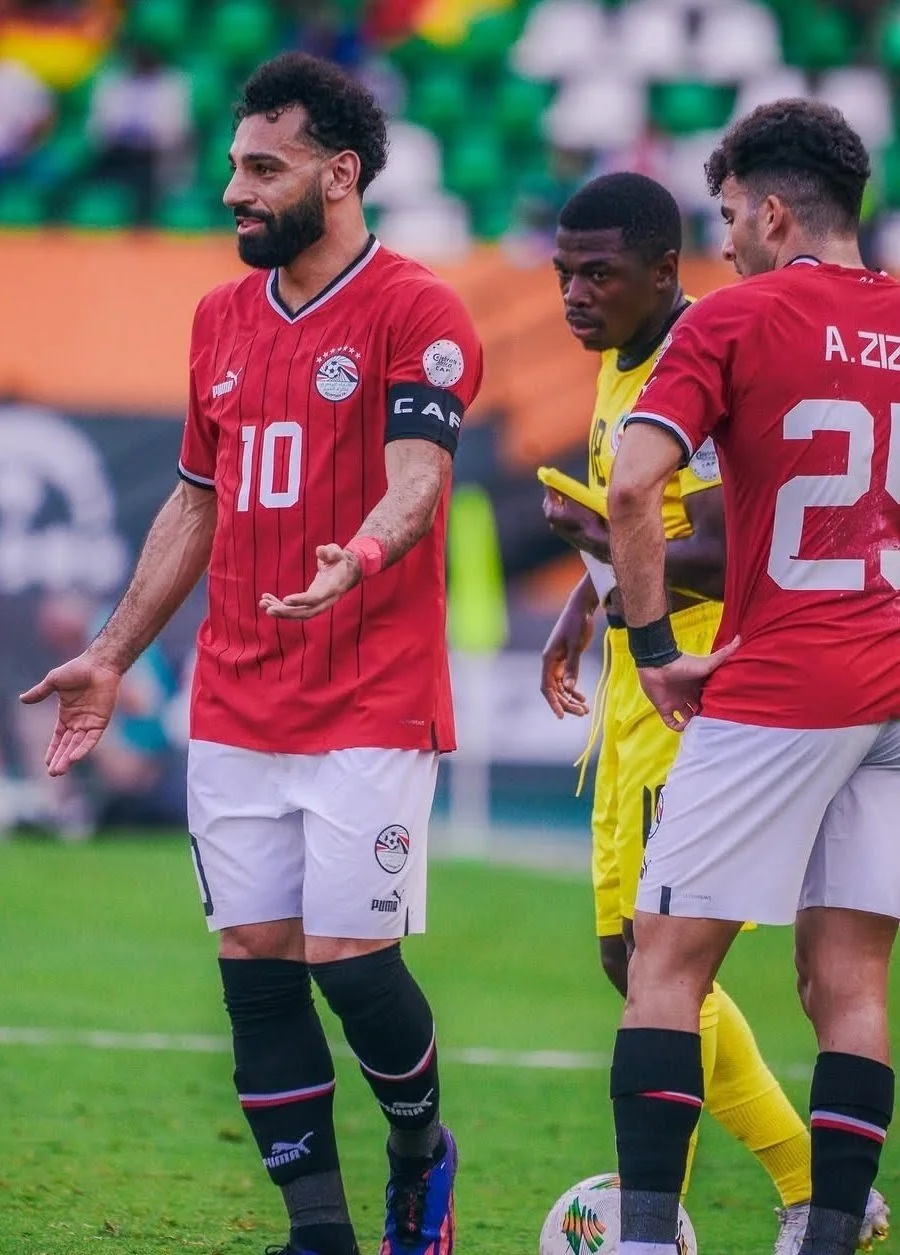
Egypt at World Cup 2026: Racing Against Time
Egypt have conquered Africa before, but the World Cup remains an unfinished chapter. With Mohamed Salah chasing one last opportunity and Omar Marmoush emerging as the future, can the Pharaohs finally translate continental pedigree into global success?
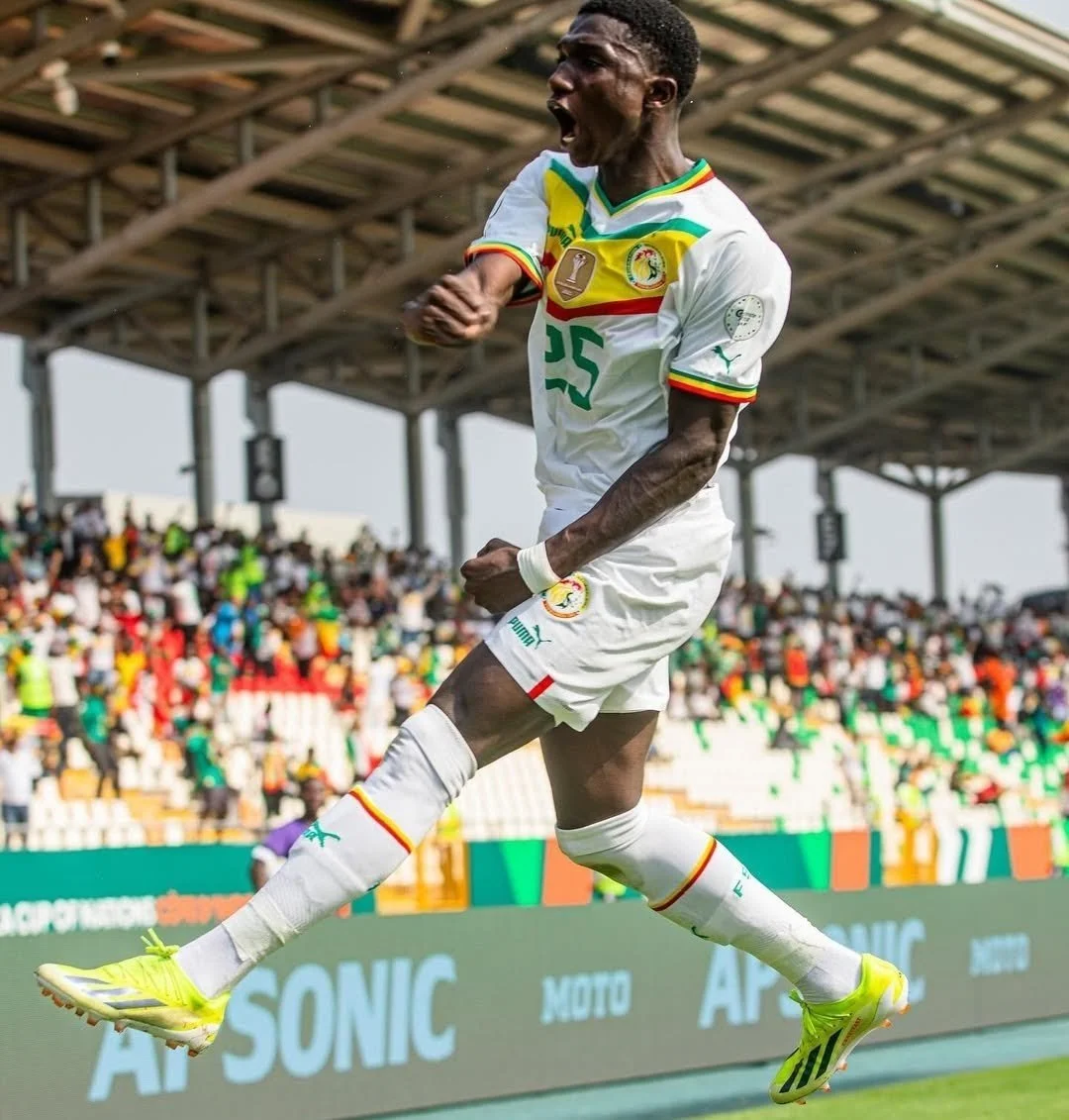
Senegal at World Cup 2026: The Cost of Control
Regardless of the outcome of that process, Senegal want to control the game. Increasingly, they want to control the narrative too. For years, they were discussed as a promising side, then as contenders, then as champions. Now comes the harder task: remaining there.
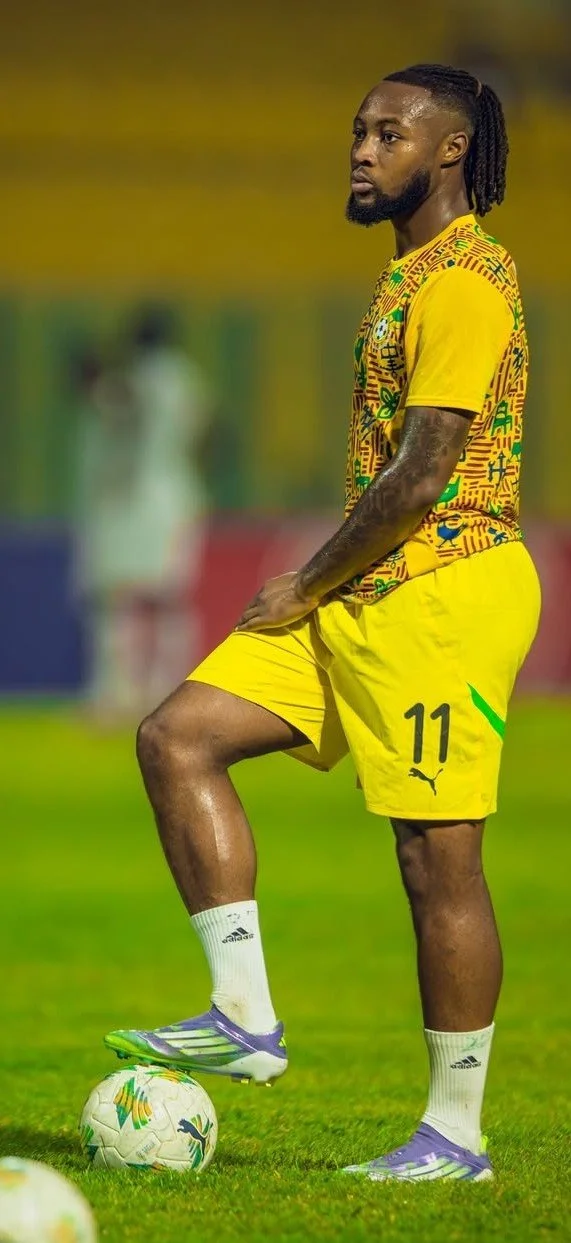
The Weight of Memory: Ghana’s Black Stars and the Price of Expectation
Ghana’s Black Stars still travel with the shadow of 2006 and 2010 behind them, but the currency of past achievement is losing value. Between injury setbacks, managerial flux, and unresolved tactical identity, this is a team heading into the World Cup under pressure from both history and expectation.
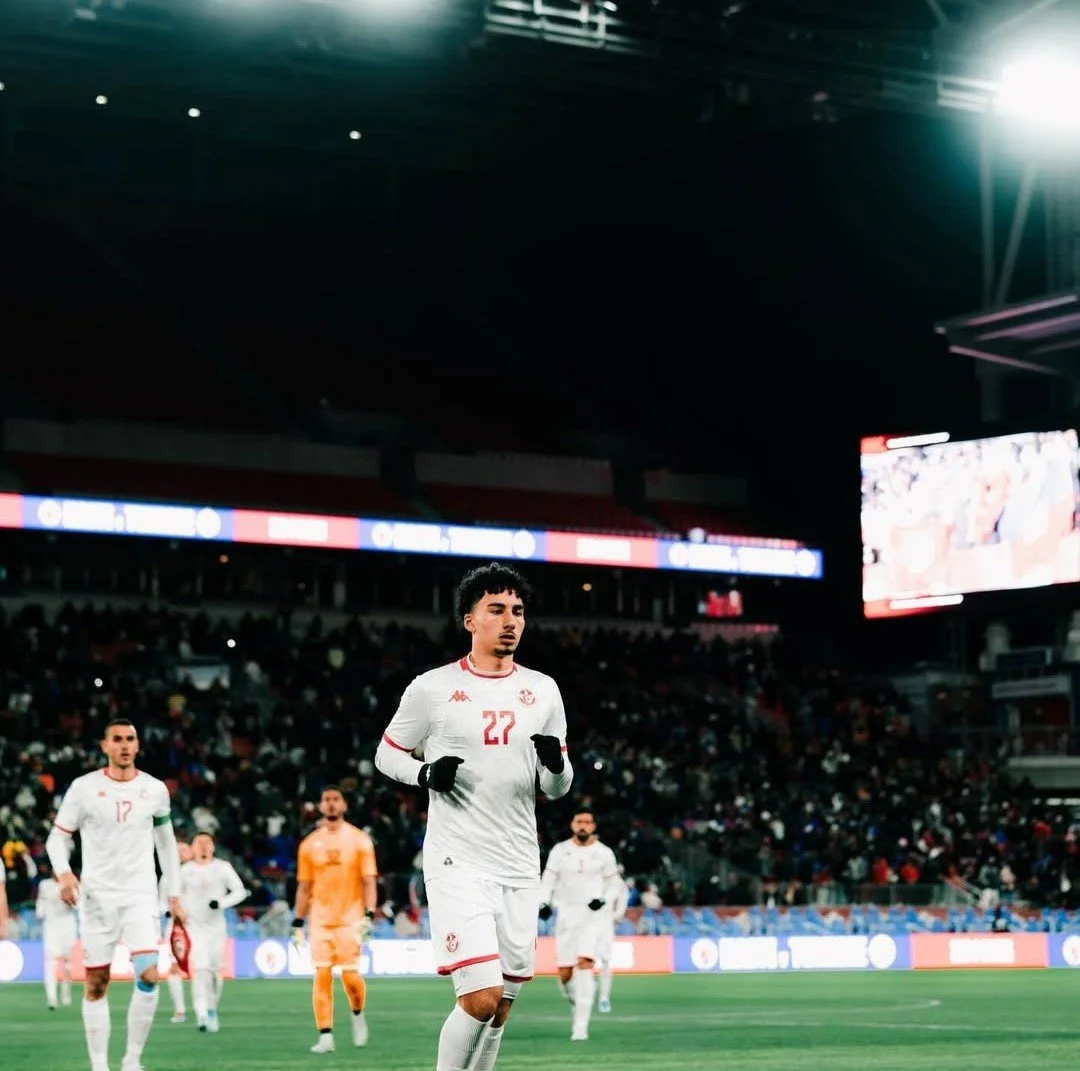
Rayan Elloumi: Canadian-Born Speedster Embodies Tunisia’s World Cup Vision
Rayan Elloumi, an 18-year-old Canadian-Tunisian winger, made his international debut in Canada with Tunisia. Blessed with pace and a fearless mentality, he navigated eligibility decisions, development pathways, and opportunity costs to embody Sabri Lamouchi’s bold vision for a new generation of players.