Insights into the Global Game
Founded in 2020 (with a website refresh in 2026),
PSP Media is an independent Canadian sports publication
covering football through reporting, analysis and longform writing.
Spain were favourites. Nobody sensible disputes that. But the temptation to frame Cabo Verde's draw as a seismic upset misses the more interesting truth. This result was not football chaos. It was football evolution.
A nation built through smart diaspora recruitment, tactical clarity and years of competitive growth arrived on the World Cup stage and proved that the gap between football's traditional powers and its ambitious challengers is shrinking faster than many are willing to admit.
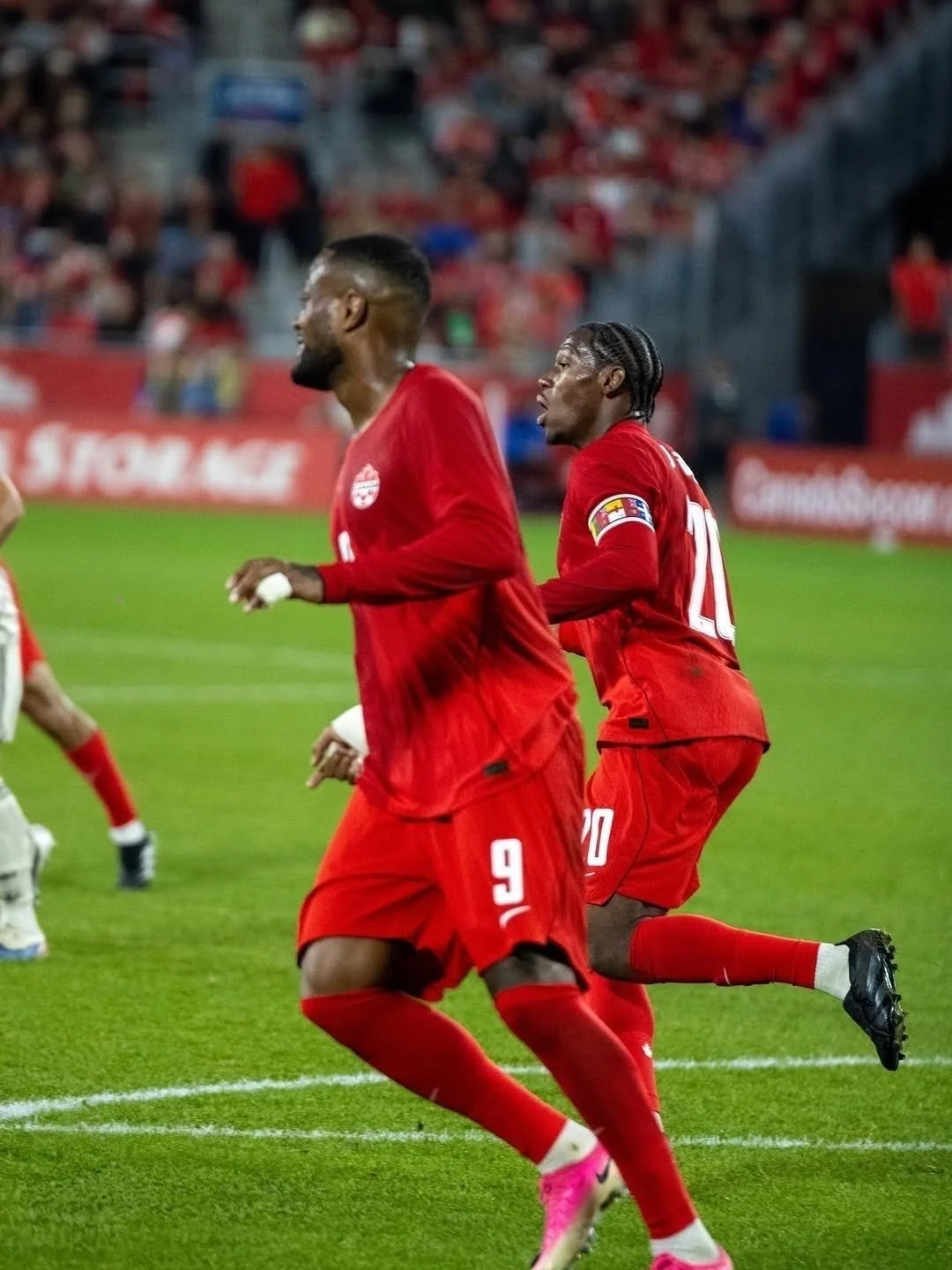
Canada and Bosnia-Herzegovina opened their World Cup campaigns with a 1-1 draw in Toronto. Beneath the result sat a deeper story: two nations still writing their football identities, shaped by vastly different histories but connected by the same desire to belong among the game's established powers.
England arrive at the 2026 World Cup carrying familiar expectations, but under Thomas Tuchel they possess something more valuable than hype: a coach with a proven tournament pedigree and a team built for the demands of knockout football.
Regardless of the outcome of that process, Senegal want to control the game. Increasingly, they want to control the narrative too. For years, they were discussed as a promising side, then as contenders, then as champions. Now comes the harder task: remaining there.
Rayan Elloumi, an 18-year-old Canadian-Tunisian winger, made his international debut in Canada with Tunisia. Blessed with pace and a fearless mentality, he navigated eligibility decisions, development pathways, and opportunity costs to embody Sabri Lamouchi’s bold vision for a new generation of players.