
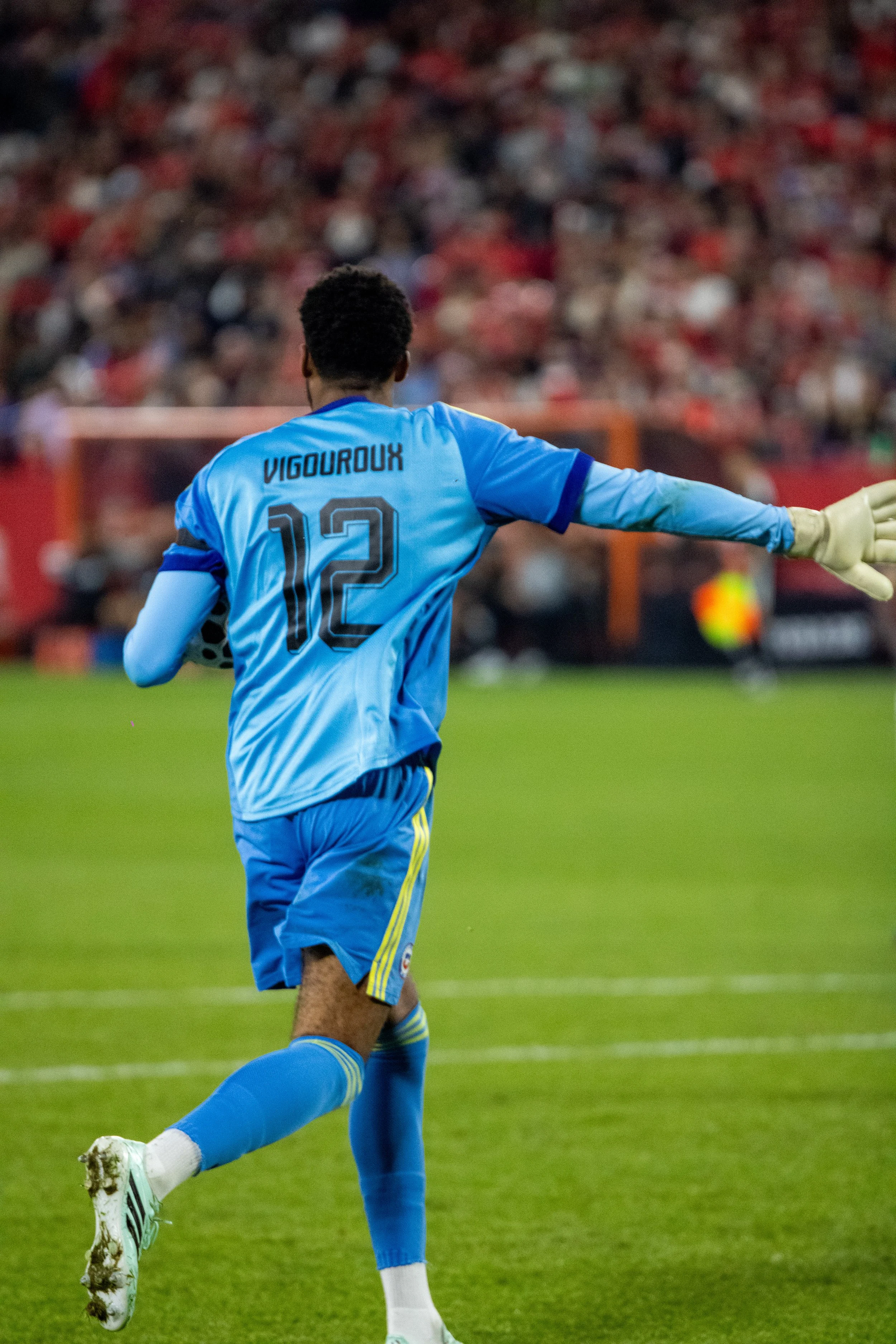
Chile in Toronto: Living With the Standard of a Golden Generation
Chile's golden generation did more than win two Copa América titles. Sánchez, Vidal and their teammates changed what Chileans expected from La Roja. In Toronto, however, the generation's legacy could be seen in something larger than its results — in the supporters who carried its memory across borders, the diaspora shaping Chile's next generation and an idol still playing close enough for fans to see him again. As Nicolás Córdova begins the task of rebuilding Chile, the players who follow inherit not only famous shirts, but a standard their predecessors created.
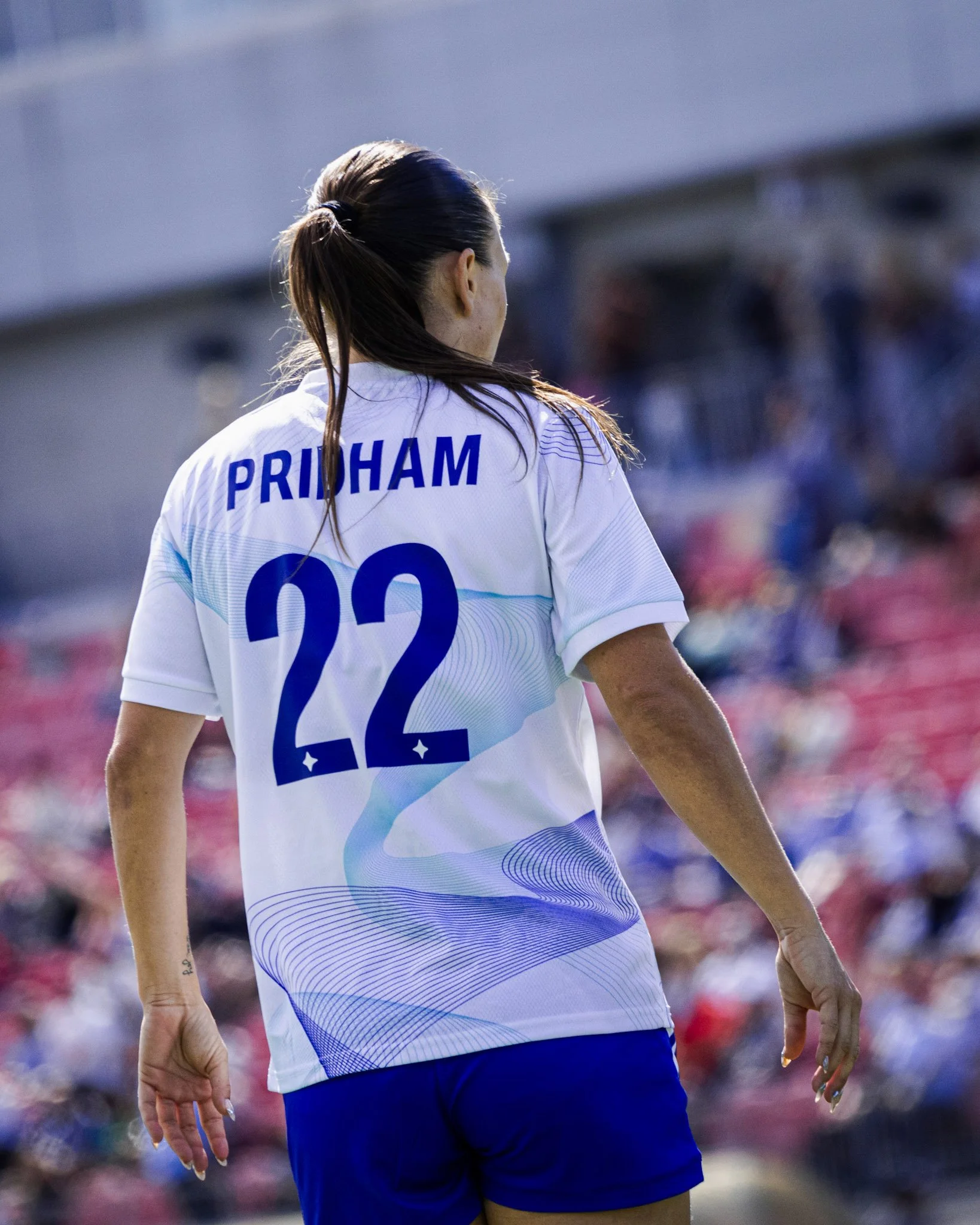
The NSL Title Race Goes International
Six NSL players have been called into Canada's squad for October's friendlies against Denmark. With Montréal, Toronto and Ottawa separated by a narrow margin, the international window adds another test to an already tense title race.
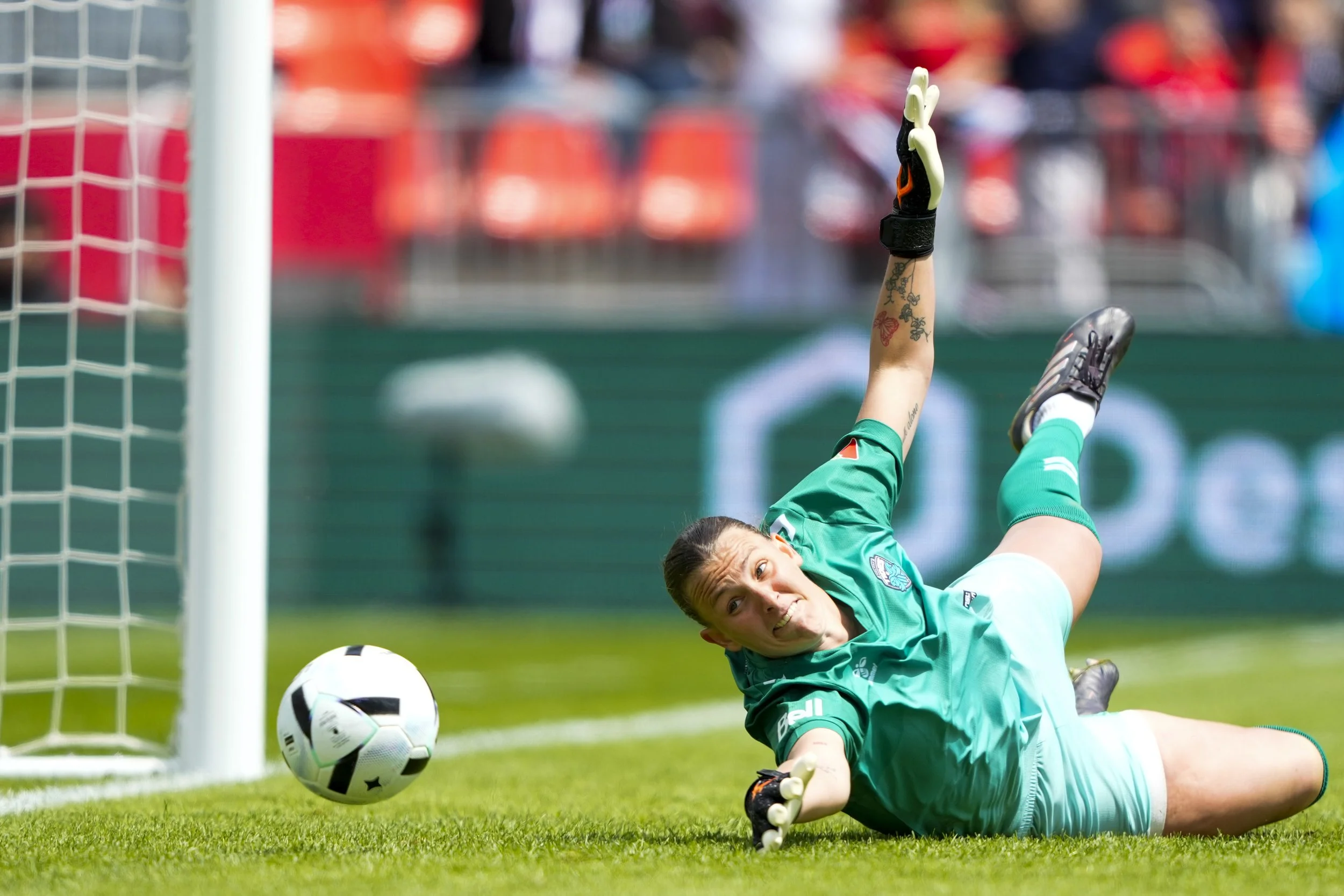
Halifax Gave Rylee Foster-Inman Games. Everton Came Calling
Rylee Foster-Inman spent five years trying to get back to the Women's Super League. Her route took her through Durham, Wellington, Dallas and Halifax, where regular games helped turn experience into game knowledge. Now Everton has brought her back — and her transfer offers an early glimpse of what the Northern Super League can become.
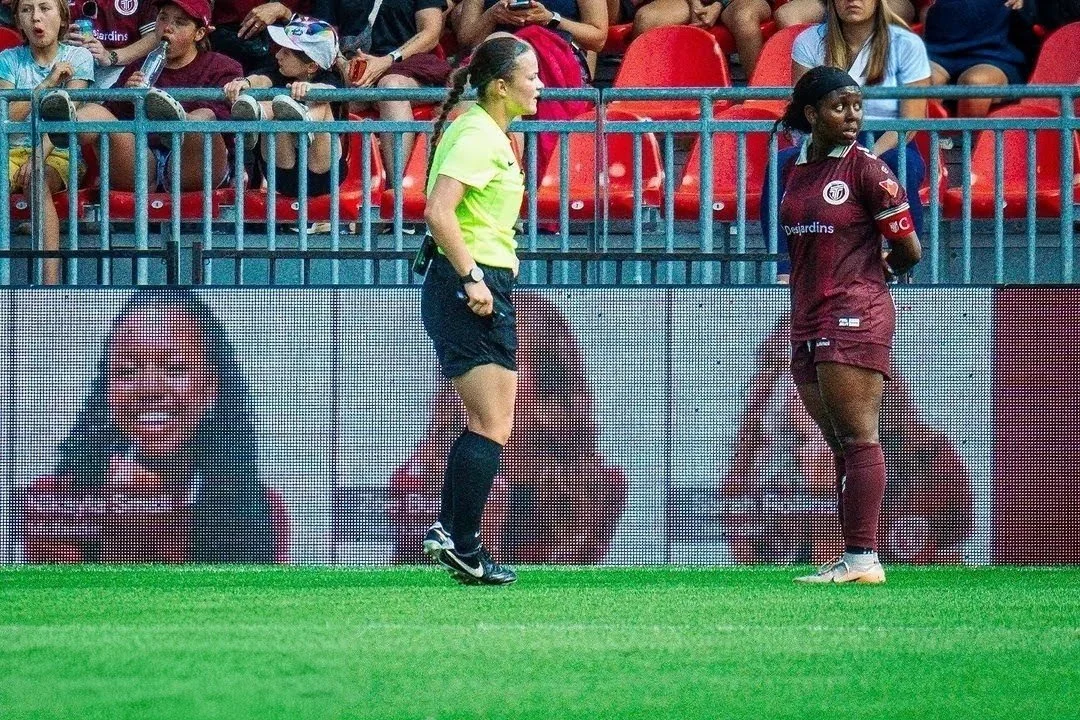
Stay In The Game
Five points separate the top three teams in the Northern Super League with six matches remaining. But as Montréal, Toronto and Ottawa fight for the title, the race offers a useful reminder of what is at stake beyond the standings: the confidence, resilience and leadership that can grow when girls are given a reason—and the support—to stay in sport.
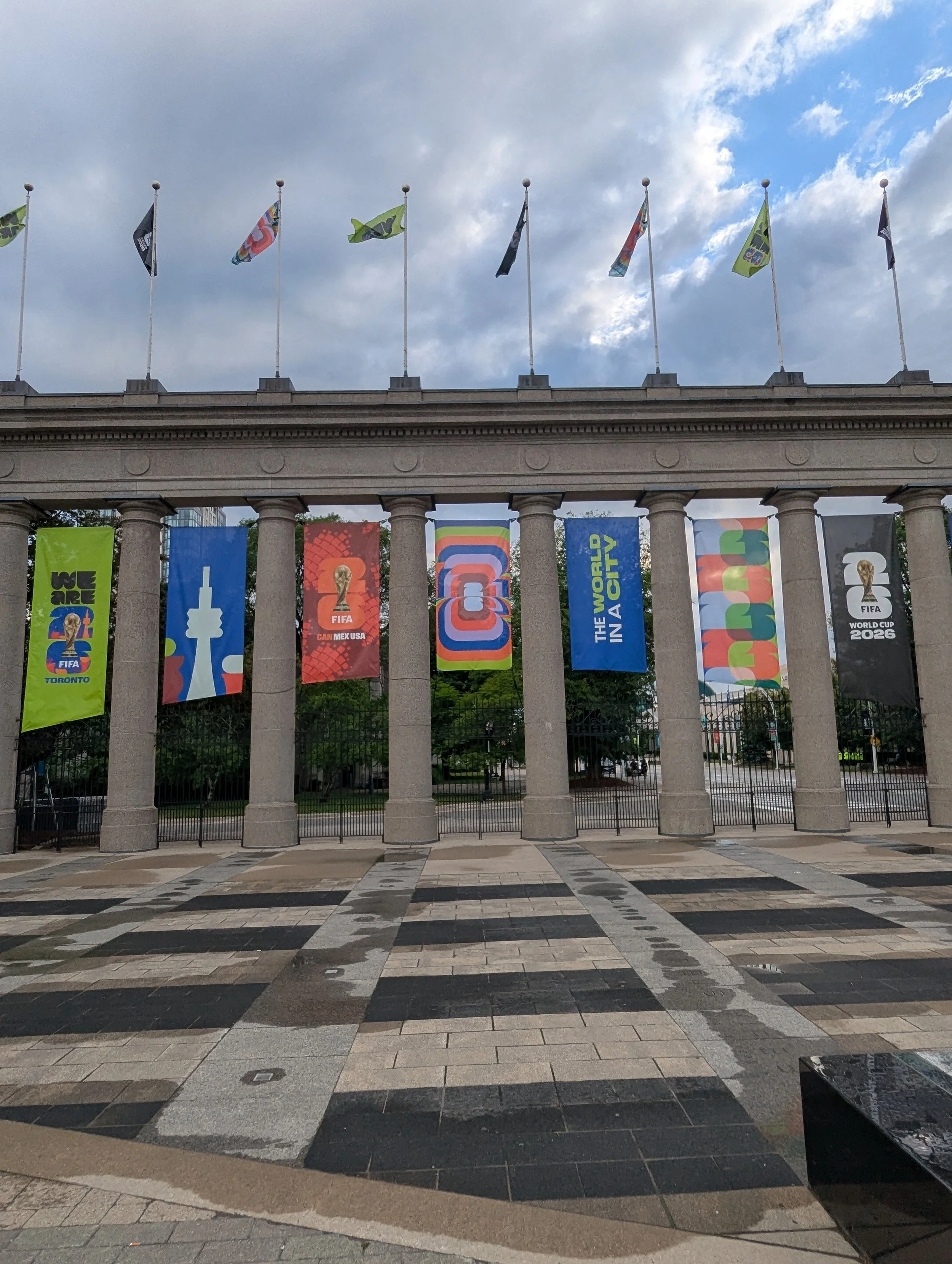
When the World Went Home — The Shape of Canadian Soccer
The 2026 FIFA World Cup brought unprecedented attention to Canadian soccer. But a successful tournament is only the beginning. The real measure of legacy will be whether the country turns a moment of visibility into lasting progress.

The Generation That Had To Leave — and the One That Might Not
Twenty-four years after Christine Sinclair and Canada's first generation of women's youth World Cup players reached a final on home soil, the next generation arrives in Poland with something their predecessors did not have: a professional league at home.
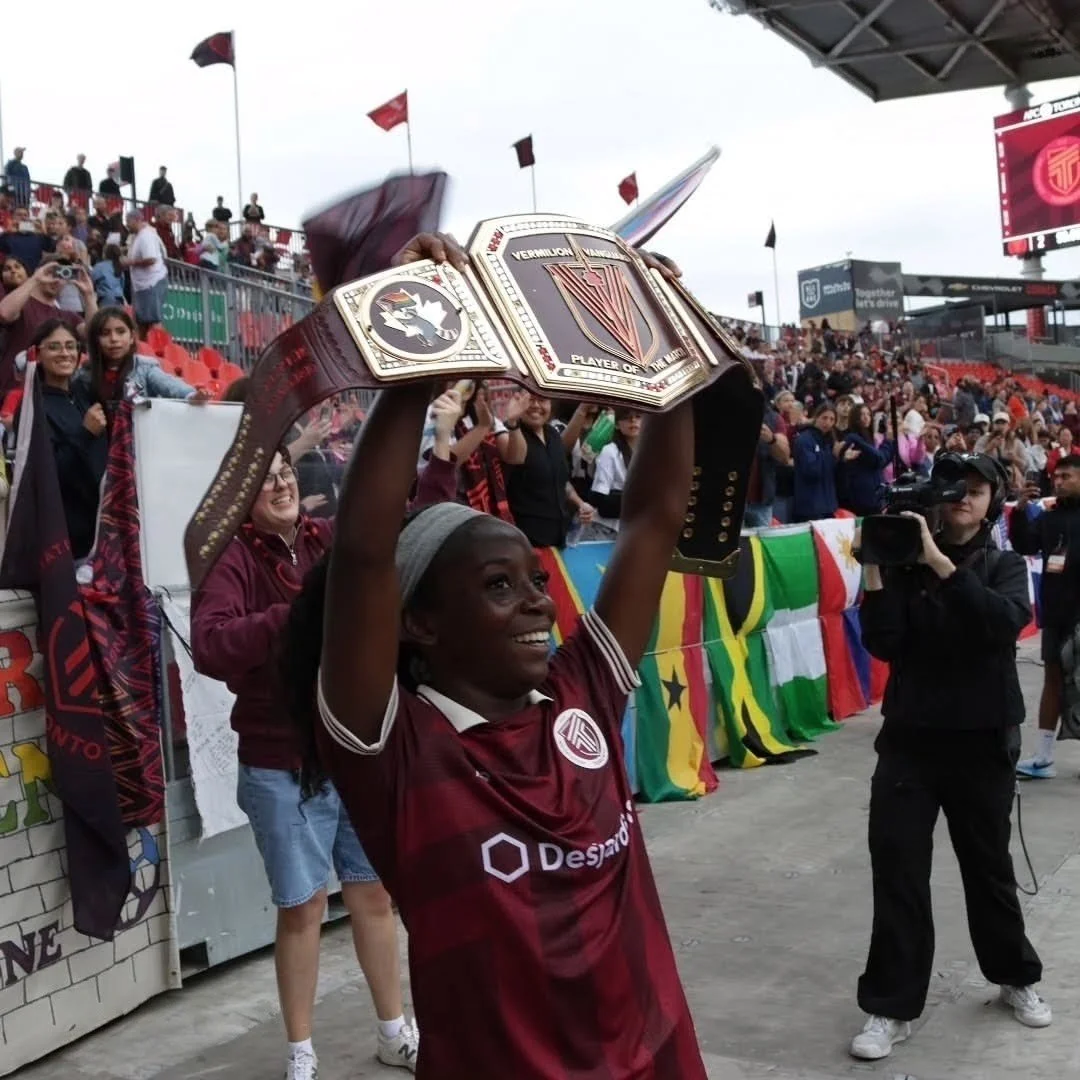
Three Teams, Three Identities: Inside the NSL Title Race
Three points separate Montréal, Ottawa and Toronto at the top of the Northern Super League. With five direct meetings still to come, the title race is entering a stretch in which the contenders will have to beat not only the teams around them, but the pressure of chasing the league title itself.
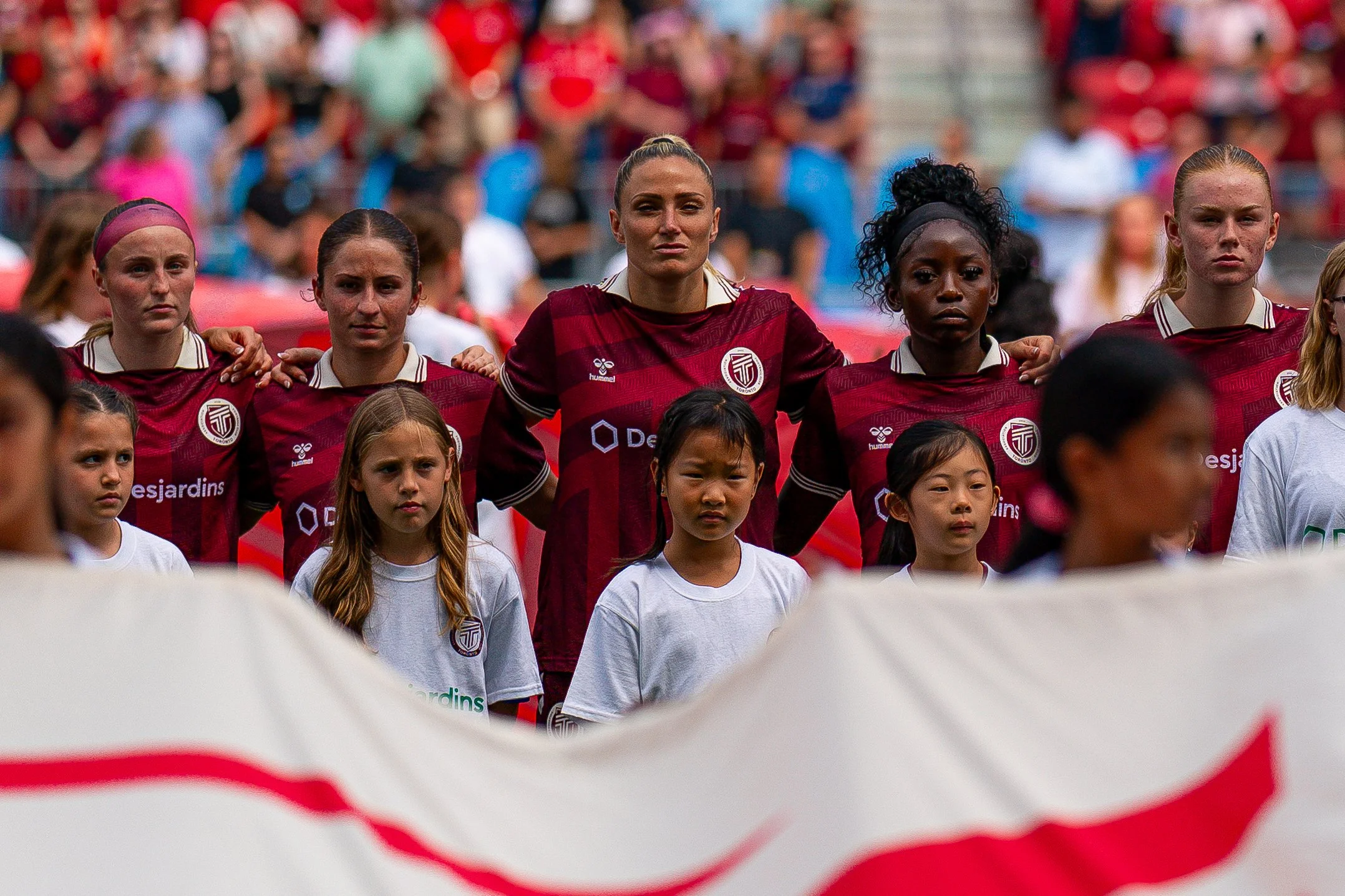
She Can See Herself Now
For Arianna, playing professional soccer is not simply a dream. It is an ambition that reaches from representing Canada to playing for the world's biggest clubs. Her mother's perspective offers a window into what AFC Toronto, the Northern Super League and a growing women's game can mean for the next generation of Canadian players.
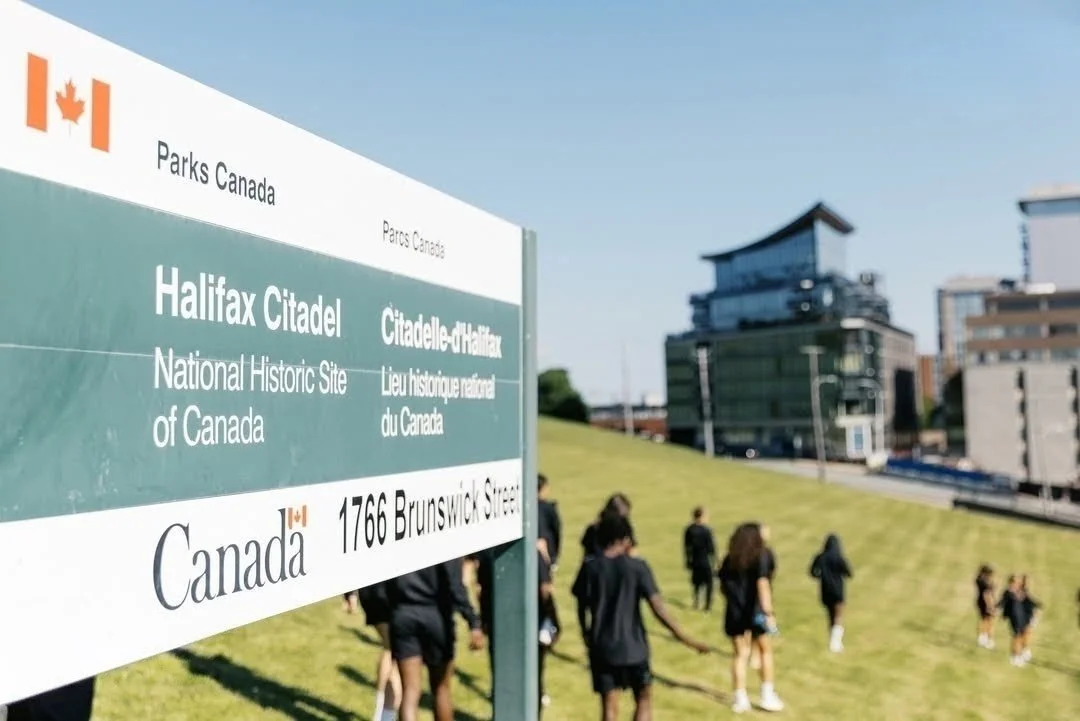
As the Sun Rises in Halifax, a New Era Begins for Canadian Women's Football
The inaugural Canadian W Championship begins in Halifax, where Canada's eastern edge once again becomes the country's first witness to a new dawn. Beyond the opening whistle, the competition reflects a transformative summer for the Northern Super League, marked by new investment, expansion to Winnipeg and the return of Canadian internationals.
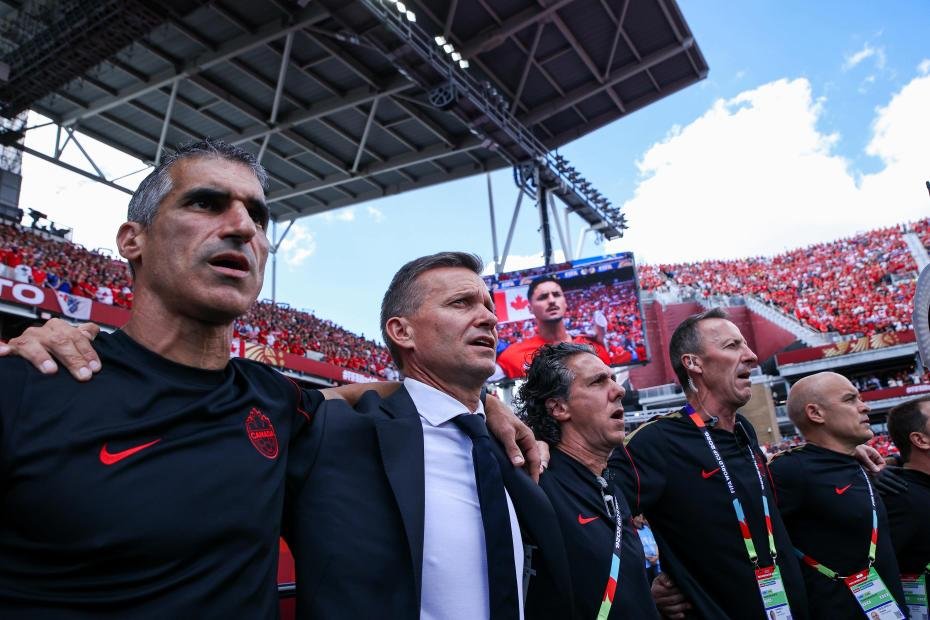
More Than a World Cup: Building Canada’s Football Identity
Canada's 2026 FIFA World Cup was more than a tournament of results. It offered the clearest picture yet of Jesse Marsch's footballing identity—and perhaps the beginning of something even more significant. As Marsch takes a hands-on role with Canada's U20s, the question is no longer how the senior team plays today, but whether Canada is finally building a football philosophy capable of carrying one generation to the next.
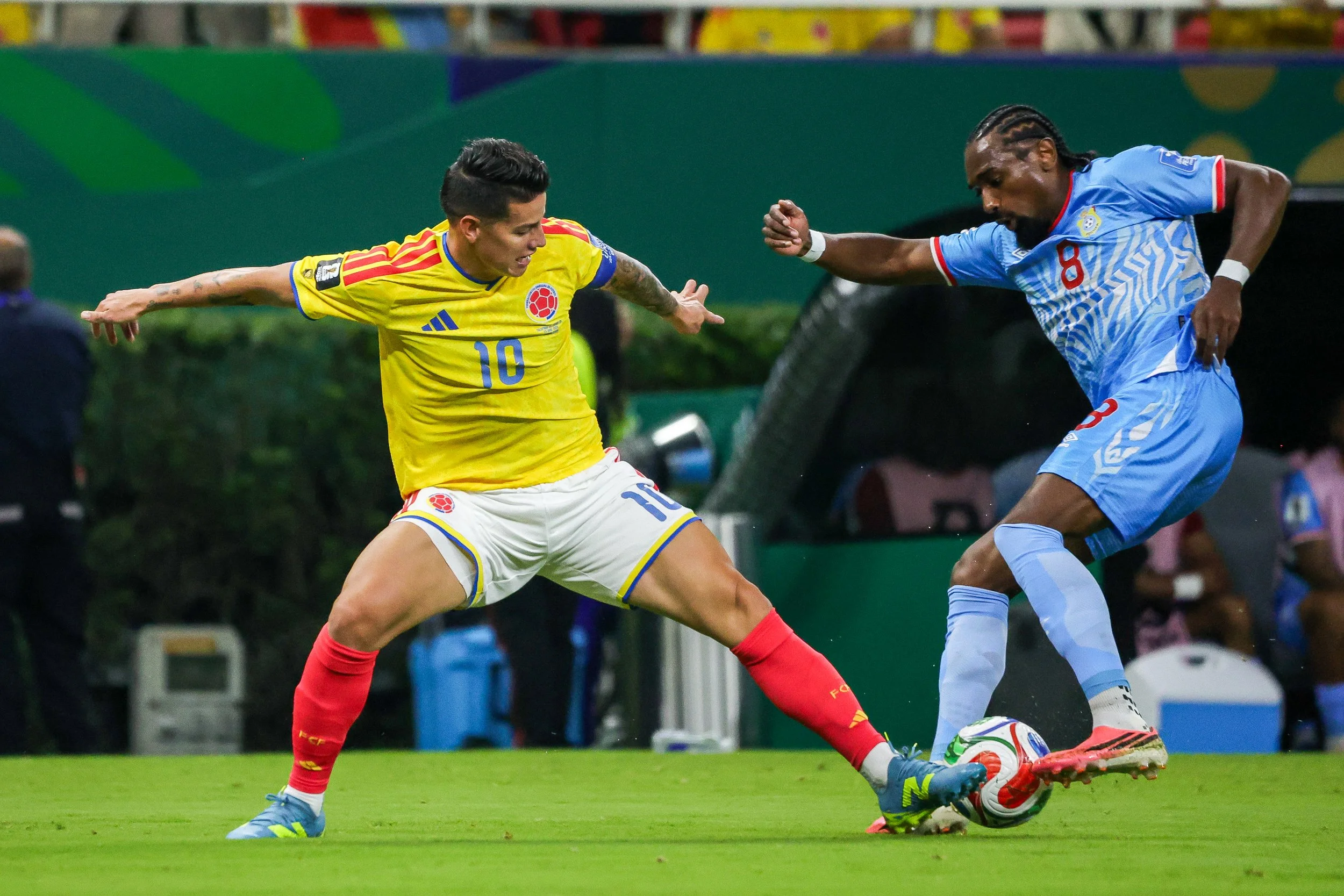
The 48-Team World Cup Didn't Settle the Expansion Debate. It Changed the Question.
The first expanded World Cup was never going to answer every question about FIFA's boldest reform. But after the Round of 32, it has become clear that the debate is no longer simply about whether more teams deserve a place. It is about what qualification, competitiveness and success now mean in a tournament that has fundamentally altered football's competitive landscape.

From Canada to Casablanca: The Northern Super League's Growing Influence on the Global Stage
The Northern Super League's footprint now extends well beyond Canada. As WAFCON 2026 kicks off in Morocco, players from AFC Toronto and Montreal Roses will look to carry the league's ambitions onto one of African football's biggest stages.
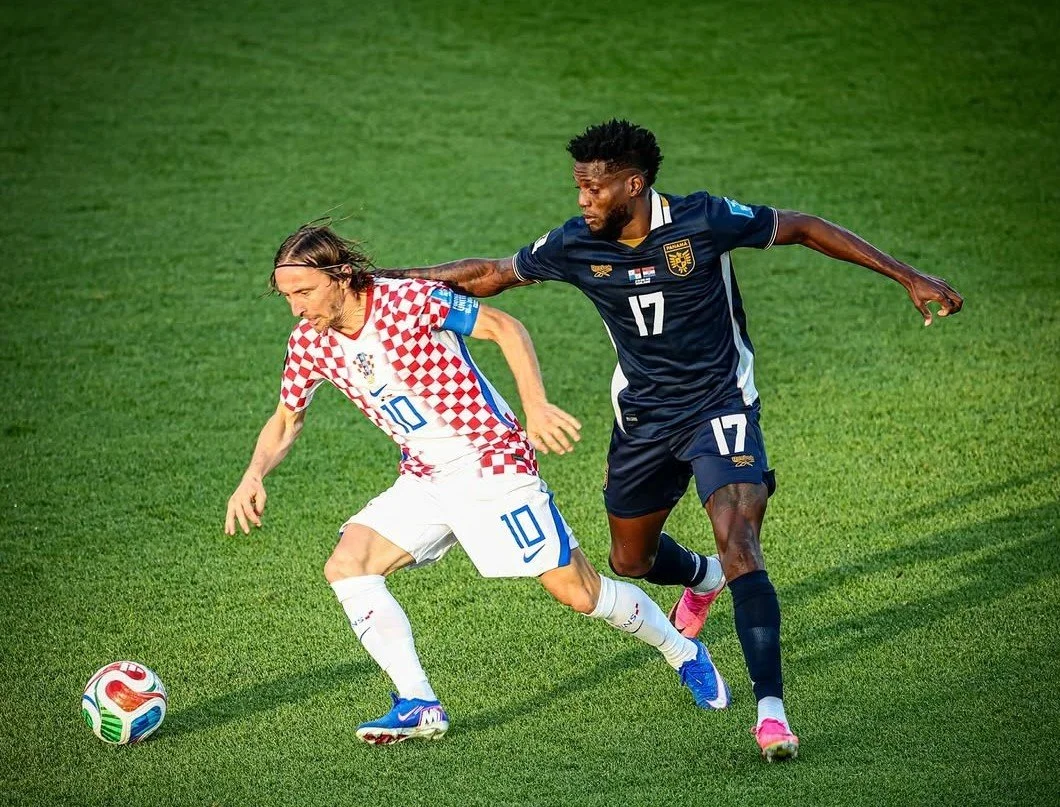
Croatia’s Blueprint: What Panama Can Learn From Football’s Ultimate Overacheivers
Croatia have spent three decades proving that population size does not determine football destiny. Panama are still trying to discover where their own ceiling lies. Their meeting in Toronto is more than a World Cup fixture—it is a conversation between a nation protecting a legacy and another trying to build one.
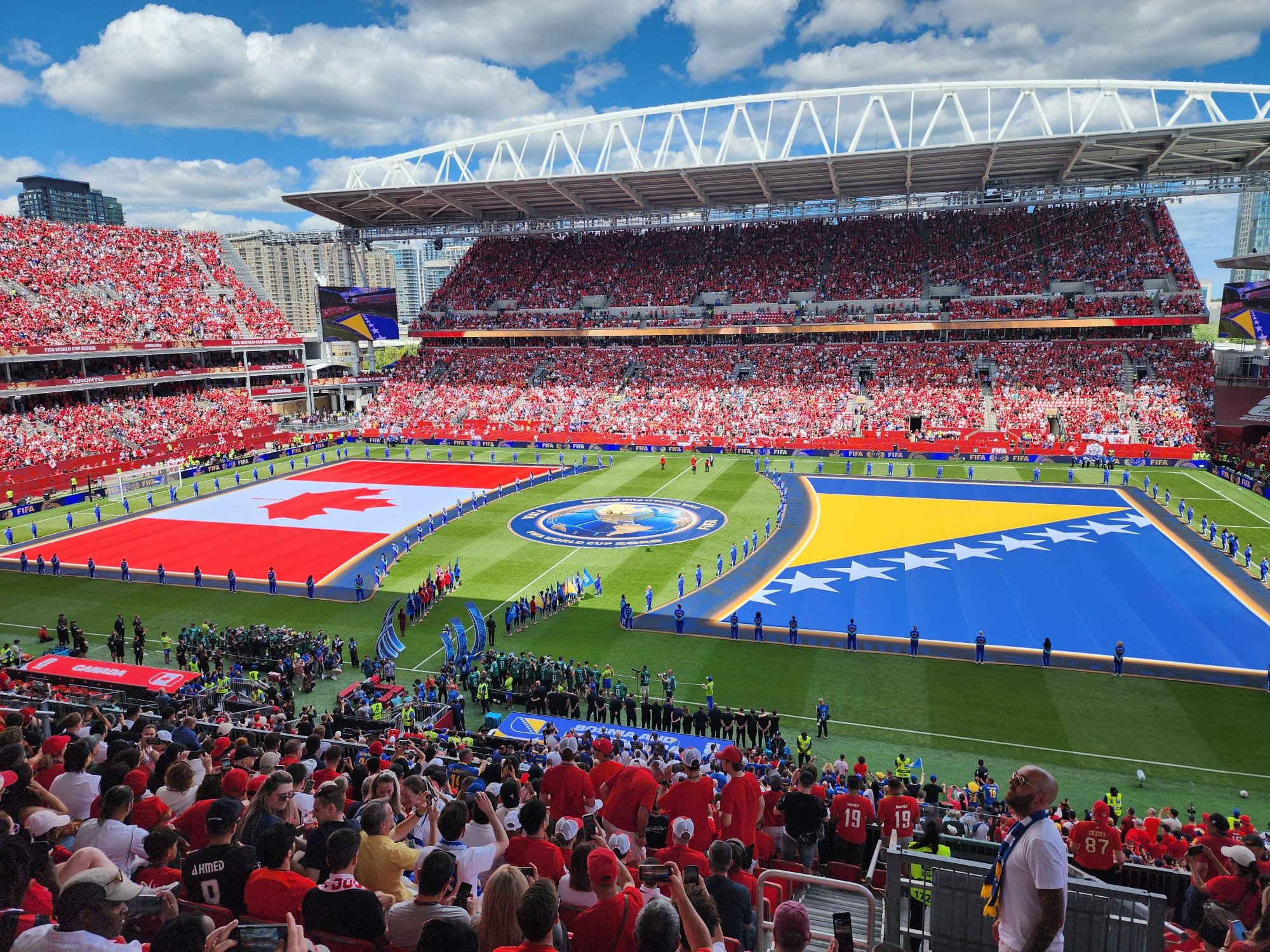
A Mirror in the Stadium: Toronto at the World Cup
The World Cup comes to Toronto—but the real story is what Toronto becomes when it arrives. Across stadiums and fan zones, diaspora communities turn football into a mirror of a city built on overlapping identities.
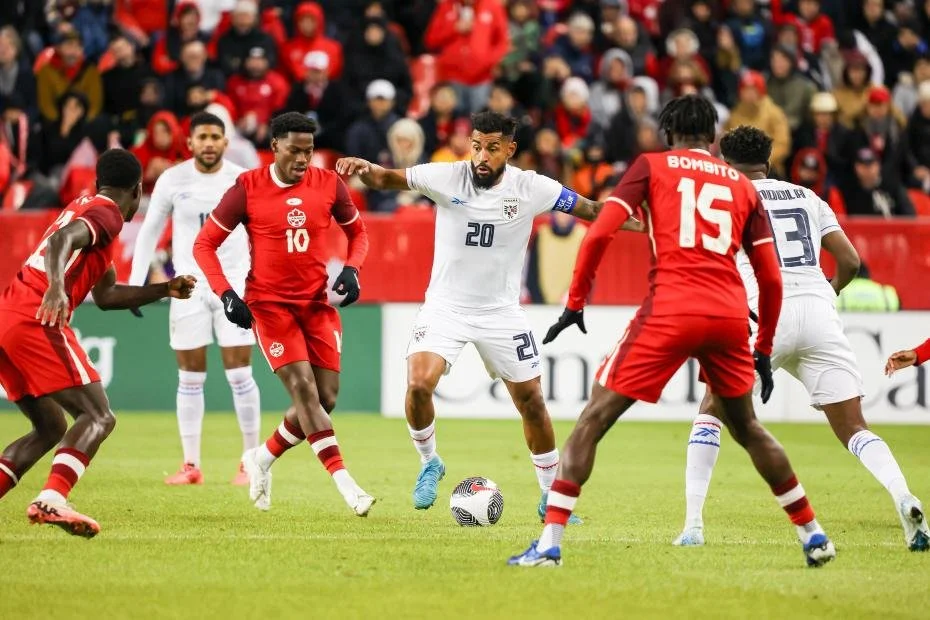
Panama at the Crossroads: From World Cup Guests to Protagonists
Panama return to football’s biggest stage with something new in their posture: expectation. No longer simply grateful to be there, they arrive speaking of progress, of standards, of closing gaps that once felt unbridgeable. The question is no longer how they arrived—but what they intend to become.
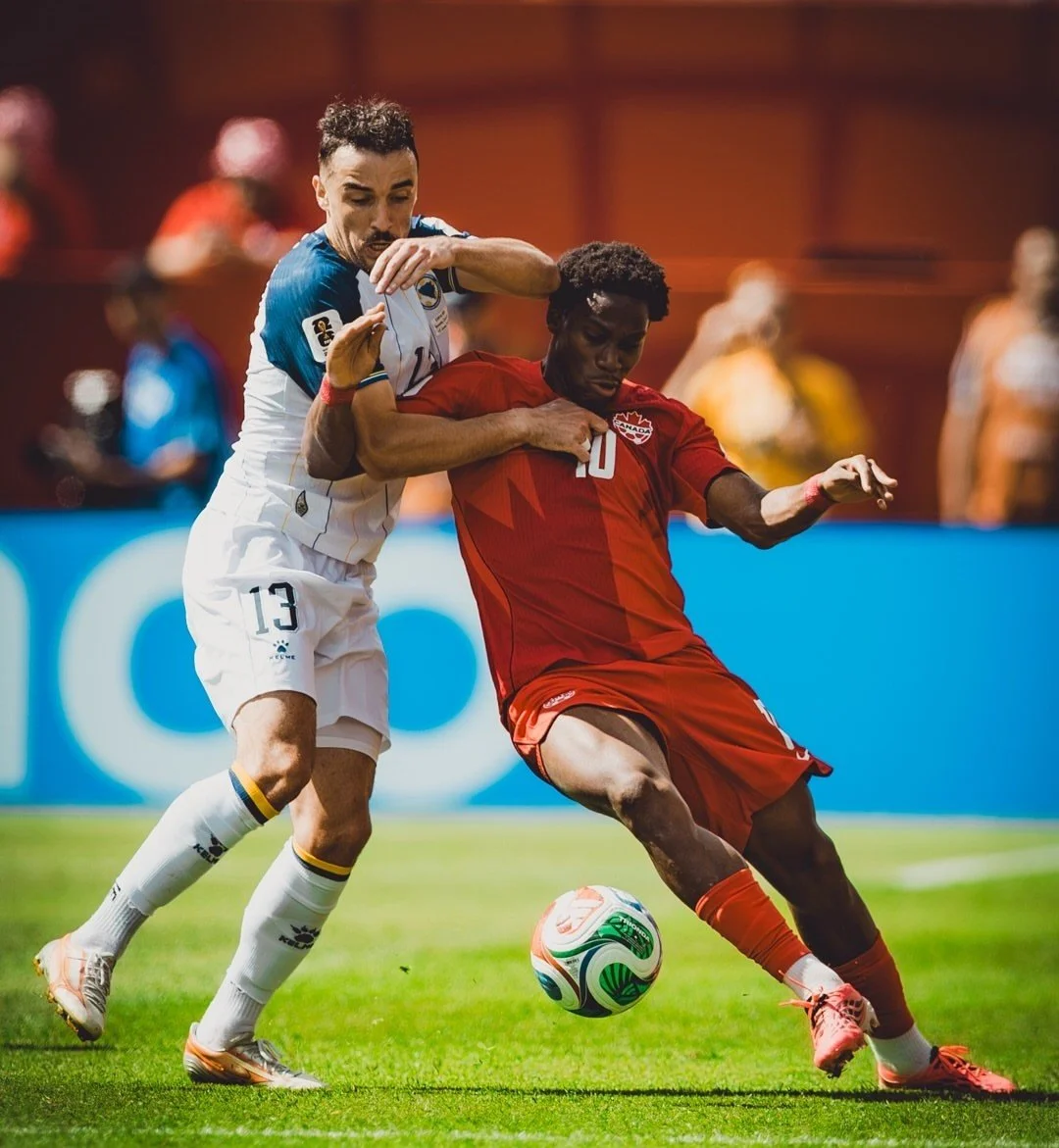
Two Young Football Nations, Different Stages of the Same Journey
Canada and Bosnia-Herzegovina opened their World Cup campaigns with a 1-1 draw in Toronto. Beneath the result sat a deeper story: two nations still writing their football identities, shaped by vastly different histories but connected by the same desire to belong among the game's established powers.
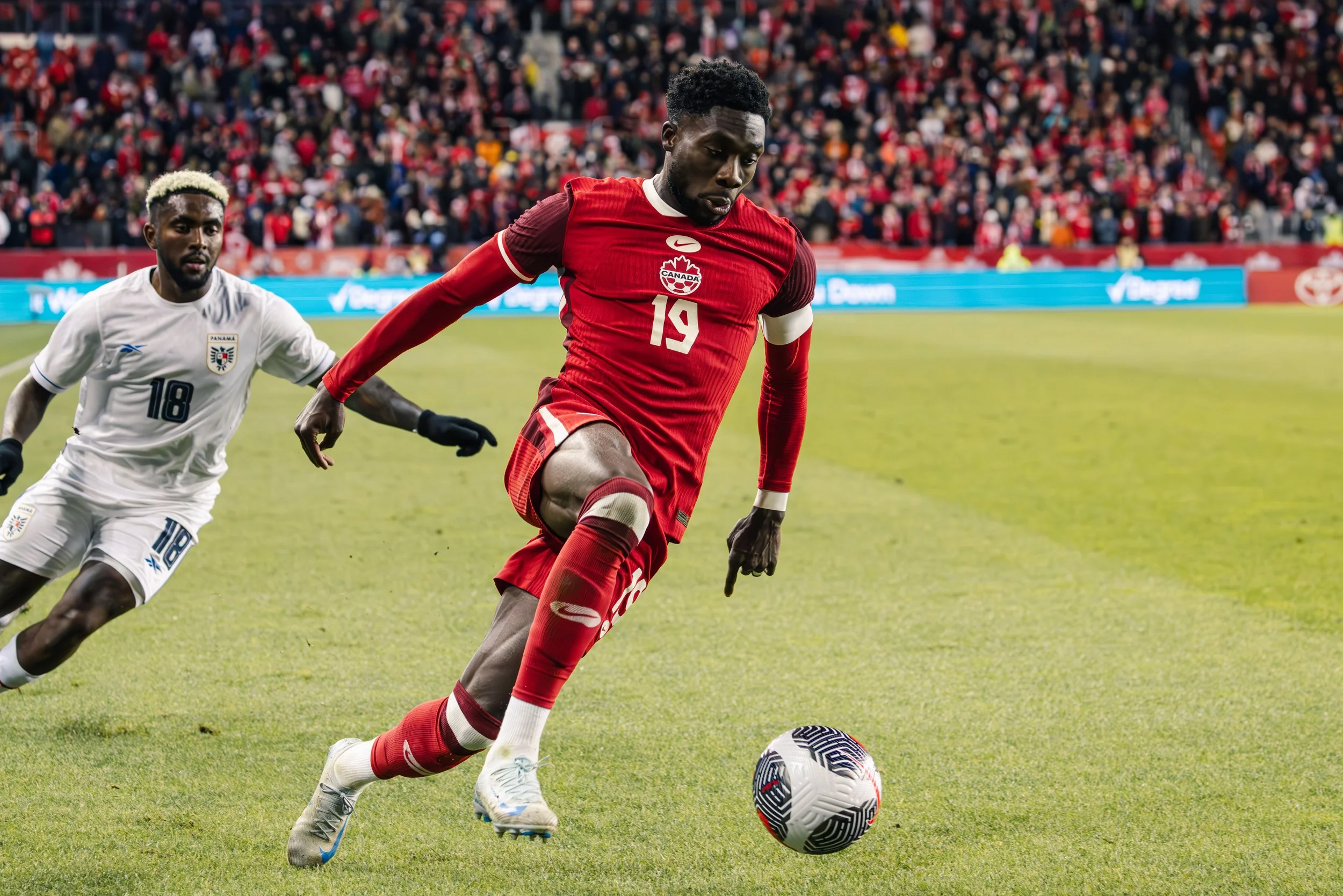
A Home World Cup Begins Without Alphonso Davies. Canada Must Show Who It Has Become.
For years, Canada have been introduced to the world through Alphonso Davies. Through speed. Through possibility. Through the intoxicating feeling that one extraordinary footballer could drag a football nation somewhere entirely new.
Now comes the harder stage of growth.
Can Canada still look like Canada without him?
Marsch appears convinced they can. Much of his tenure has been spent building a team less dependent on individual brilliance and more reliant on collective conviction. The aggressive pressing, the relentless running and the willingness to attack games rather than endure them are all designed to survive the absence of any one player — even Davies.
How Haiti Overcame Instability and Restrictions to Reach World Cup 2026
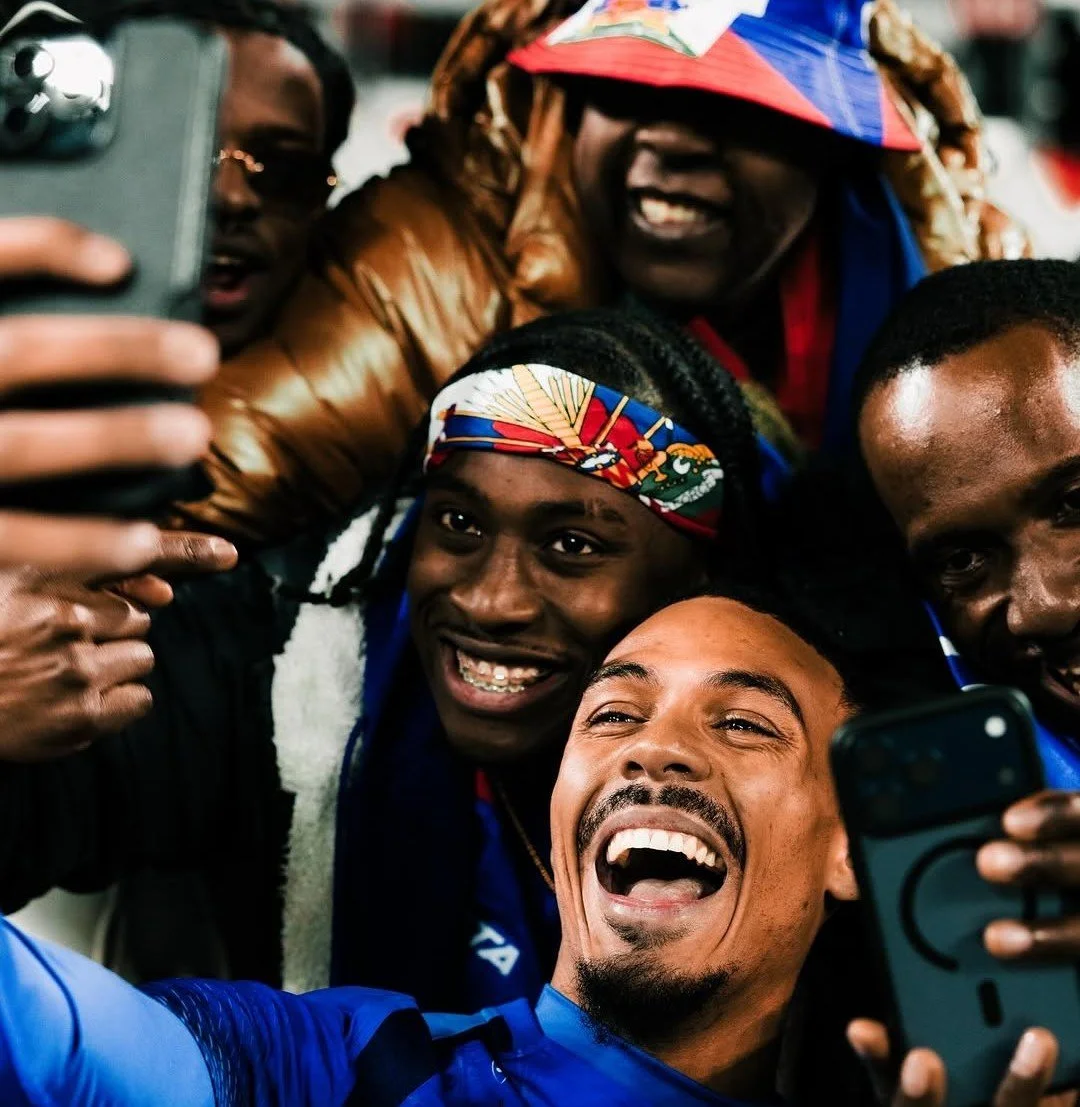
After a friendly against Iceland in Toronto, Wolverhampton midfielder Jean-Ricner Bellegarde described that reality:
“We don’t play at home, but we can feel the energy from the fans and we need to fight for them.”
That sentence captures the duality of Haitian soccer.
The team has often been geographically displaced, but emotionally present. The diaspora became the home crowd.
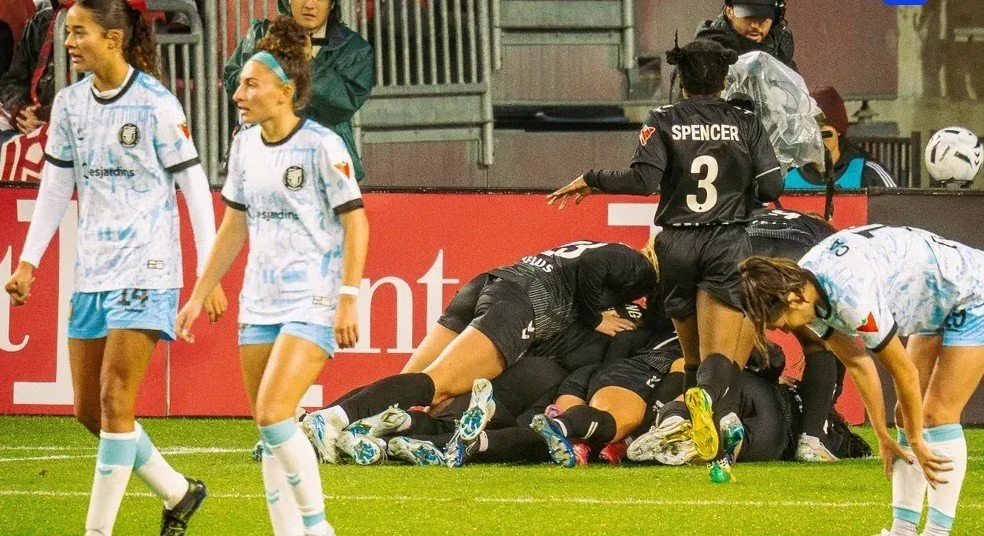
Why AFC Toronto’s BMO Field Narrative Misses the Bigger Story
The easy narrative says AFC Toronto cannot win at BMO Field. The deeper reality is more complex. Across the opening month of the 2026 Northern Super League season, opponents have increasingly adapted their tactical approaches to disrupt the reigning regular season champions, using direct play, transitional pressure, and defensive absorption to deny Toronto control of matches.
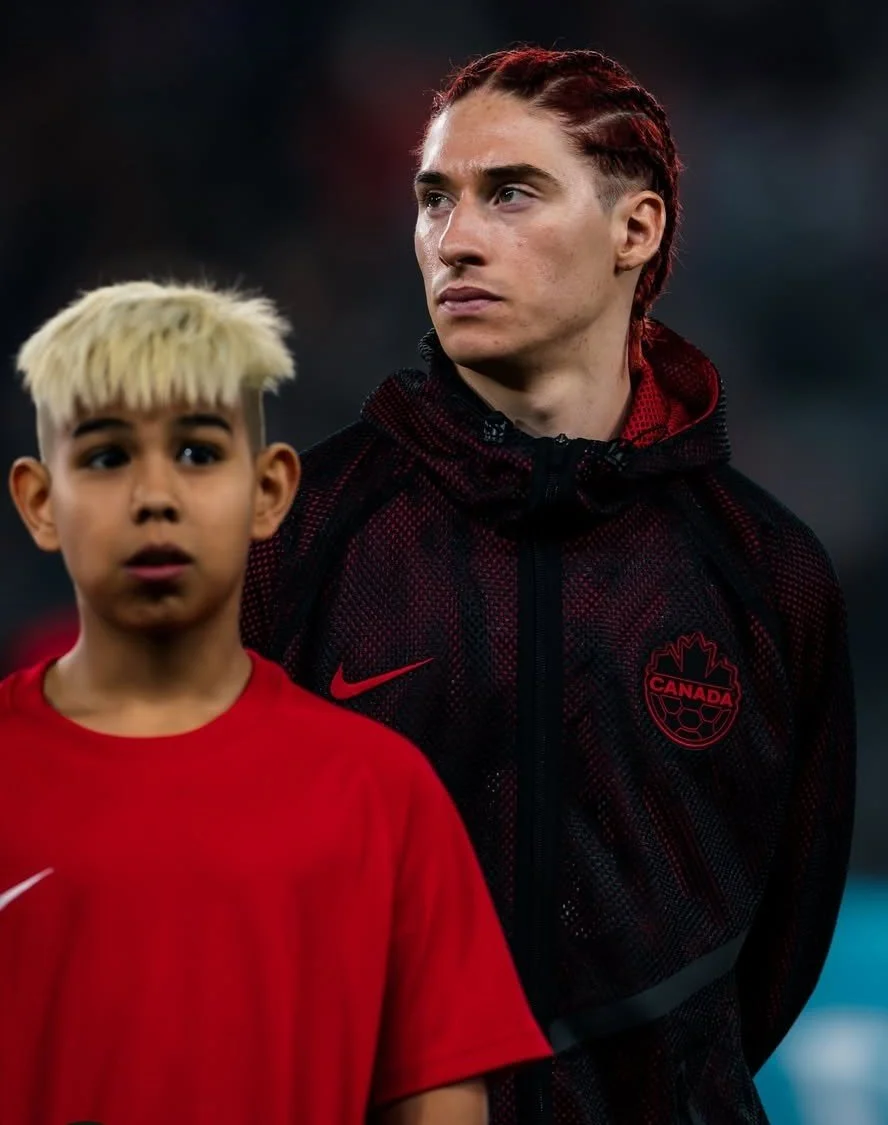
Marcelo Flores’ Canada Switch Explained: Talent, Identity and Tactical Value
Marcelo Flores once represented possibility — a gifted dual-national courted by both Canada and Mexico, carrying the weight of expectation from two footballing cultures. Now, the former Arsenal prodigy is evolving into something more valuable: a complete international footballer capable of giving Canada creativity, tactical balance and relentless work rate at exactly the right moment.