
Thomas Tuchel's England Have a Different Kind of Hope
By Nii Wallace-Bruce
For two decades, England have oscillated between expectation and disappointment. Every men’s tournament seems to generate its own slogan, its own soundtrack, and its own burden. Yet as the 2026 World Cup approaches, there is a quieter confidence surrounding this England side.
Not because football is supposedly "coming home". Not because England possess the deepest squad in the competition. And not because history suddenly favours them.
The optimism stems from something more tangible. Thomas Tuchel knows how to win tournament football.
The German has spent his career navigating elite knockout competitions. From taking Paris Saint-Germain to a Champions League final to winning the trophy with Chelsea in the following season, Tuchel's greatest strength has never been creating spectacle. It has been creating solutions.
That matters at a World Cup.
International football is rarely won by the most entertaining team. It is won by the team that adapts fastest, solves problems quickest and survives difficult moments. Few coaches in modern football have demonstrated those qualities more consistently than England's manager.
Different From Southgate
Gareth Southgate deserves enormous credit for changing England's trajectory.
A World Cup semi-final in 2018 and consecutive European Championship finals in 2021 and 2024 restored credibility to a national team that had spent years underachieving. Southgate built a healthier culture, ushered in new talent, and gave England a defensive foundation.
Yet there were moments when caution appeared to place a ceiling on England's potential.
Tuchel's England should look different. The question is not simply who England's best players are, but which players best execute specific roles.
The German remains committed to structure and defensive security, but he generally seeks greater control through possession, more aggressive pressing and a willingness to alter systems during matches. Tuchel’s England secured maximum points in qualifying, becoming the first European nation to confirm their place at the World Cup. They did it without conceding a goal.
Southgate often prioritised stability. Tuchel prioritises balance. More importantly, he appears willing to leave out good players if they do not fit the function he requires.
That distinction matters.
Another notable difference may emerge in England's approach to elite opposition. Southgate was often criticised for becoming increasingly cautious against the strongest teams, prioritising defensive security even when England possessed significant attacking talent. Tuchel's track record suggests a different instinct. While tactically pragmatic, he has rarely been afraid to alter structures, pressing schemes or attacking patterns depending on the opponent. Adaptation, rather than caution, has long been one of his defining strengths.
England's squad is now filled with players accustomed to sophisticated tactical demands at club level. Tuchel is likely to lean into that versatility, whether through a back four or hybrid systems that shift depending on the opponent. Qualifying also hinted at another strength: ten of England’s 22 goals arrived from set-piece situations, reflecting a team increasingly comfortable winning matches through multiple routes.
Rather than protecting games, England may be better equipped to dictate them.
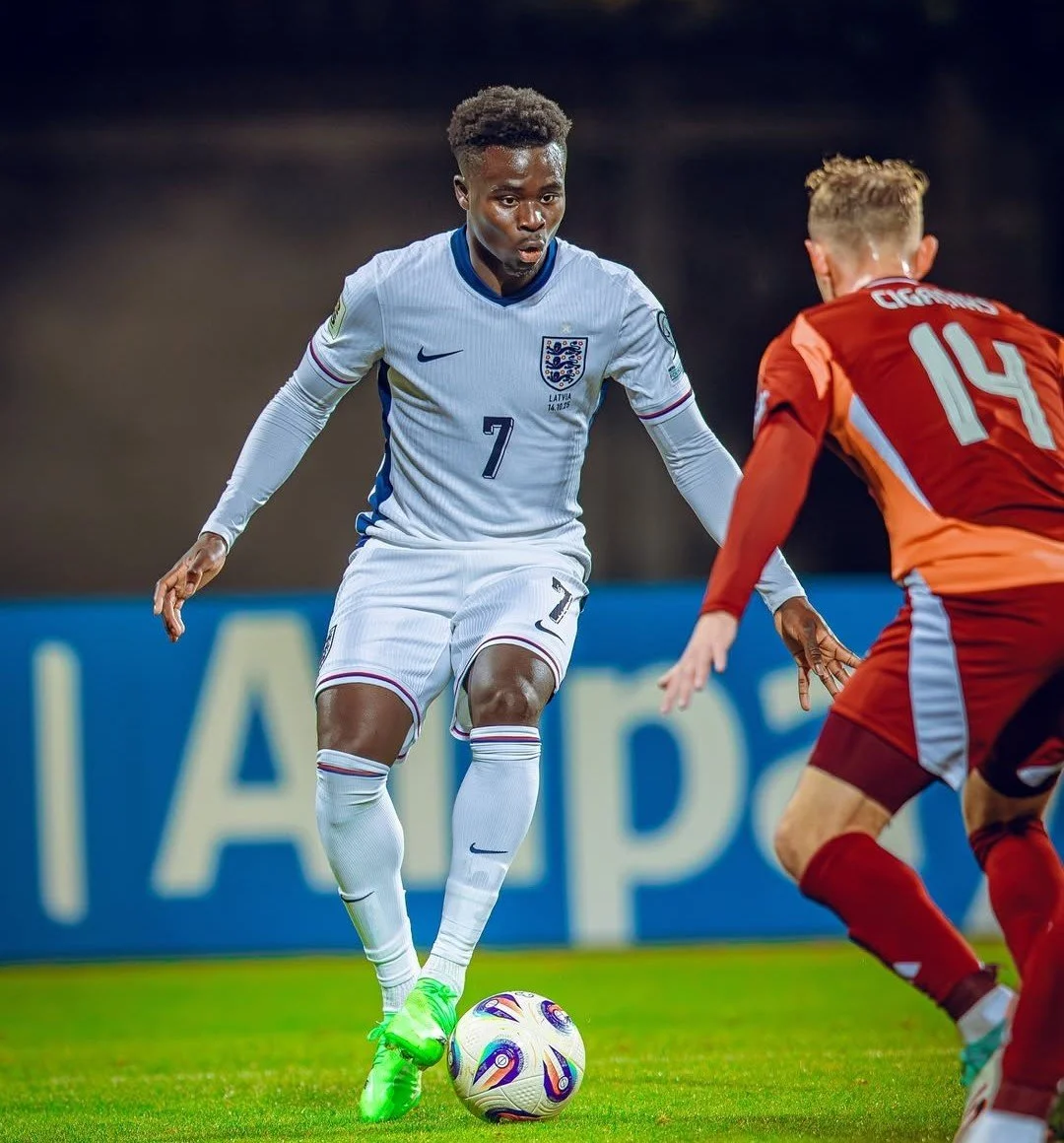
Bukayo Saka and his Arsenal teammates are accustomed to finding goals through multiple routes. (Photo credit: Bismark Nii Kojo Adjei)
A Squad Built For Tournament Football
The strongest argument for England is not individual brilliance. It is balance.
The squad contains elite-level talent across every line of the pitch. There is experience, athleticism, creativity and depth.
Most importantly, there is Harry Kane.
The captain arrives after another extraordinary season and remains firmly in Ballon d'Or conversations. His goals are obvious. Less obvious is how complete his game has become. Kane drops between lines, creates overloads, releases runners and dictates attacks in ways few centre-forwards can match.
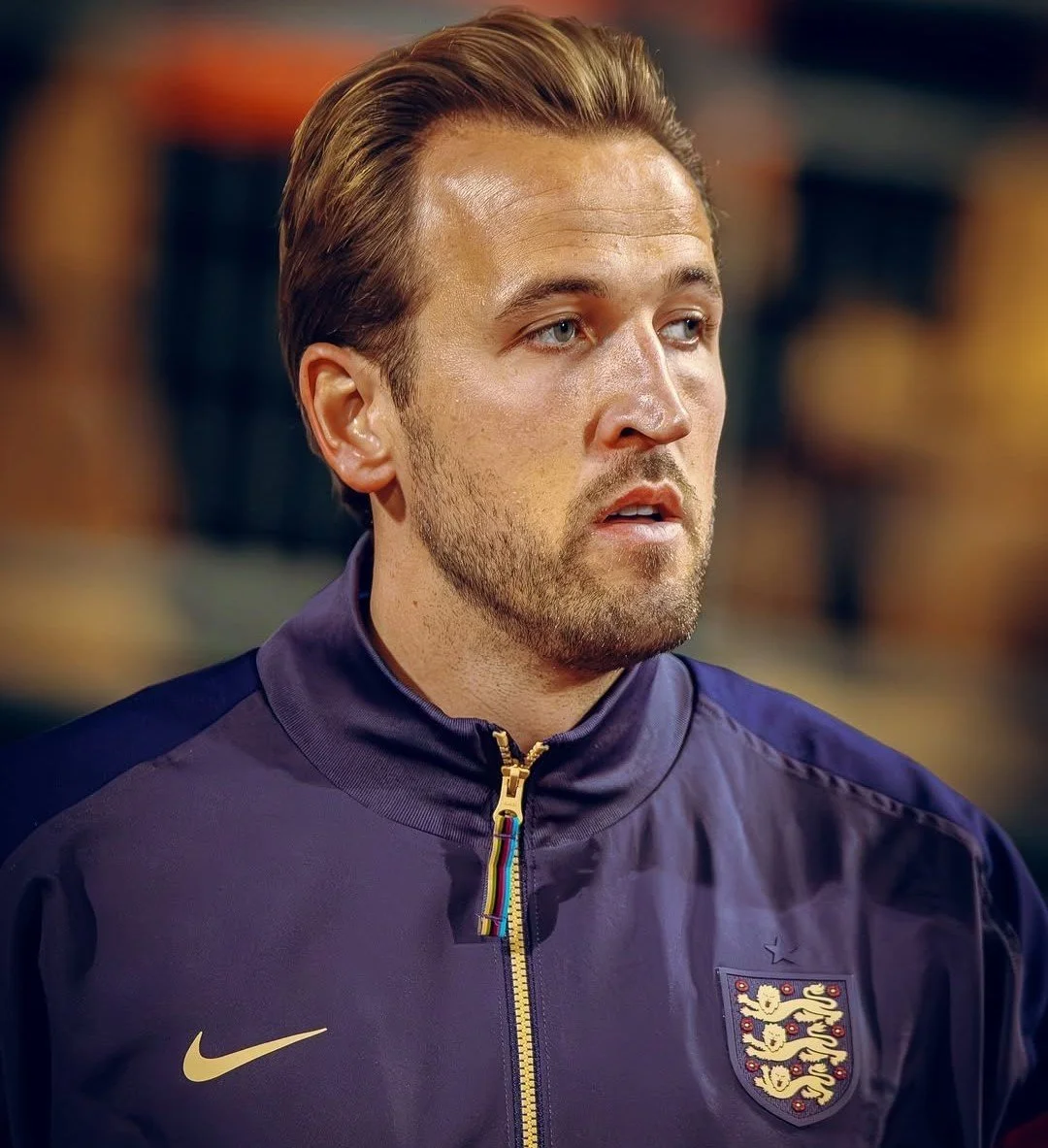
England Captain Harry Kane will lead his country to World Cup 2026 seeking team and individual honours. (Photo credit: Bismark Nii Kojo Adjei)
Built Around Harry Kane
Southgate's later England teams increasingly leaned on individual talent in key moments. Jude Bellingham's emergence gave England a player capable of deciding matches through moments of brilliance, while selection often leaned towards fitting as many elite names as possible into the same side. At times, the challenge became finding a system that accommodated the players.
Tuchel appears to be approaching the problem from the opposite direction. Rather than building around reputations, he has generally prioritised profiles. That approach has already produced difficult decisions and surprising selections, yet it has also created a squad that appears more coherent.
The centrepiece remains Harry Kane. Unlike Southgate's later sides, where attacks could often flow through Bellingham's ability to carry, create and improvise, Tuchel's England looks increasingly constructed around maximising Kane's influence. The manager understands not only Kane's goalscoring value but also his ability to connect attacks, draw defenders out of position and create space for runners around him.
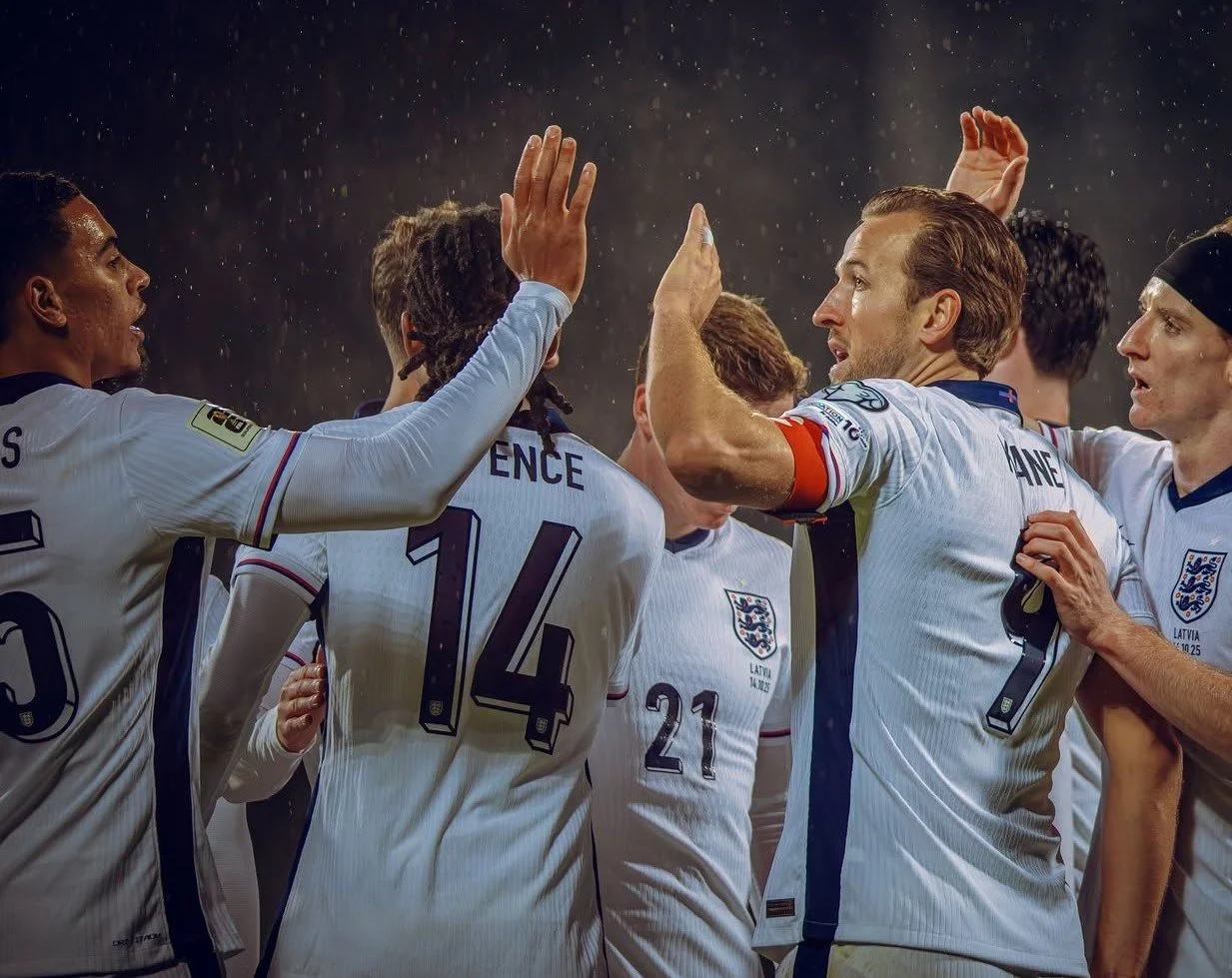
Morgan Rogers (far-left) and Anthony Gordon (far-right) will support the attack built around Harry Kane. (Photo credit: Bismark Nii Kojo Adjei)
The North American Challenge
None of this guarantees success. The tournament itself presents significant obstacles.
England's group-stage schedule includes afternoon kick-offs outdoors in Boston and Philadelphia, conditions that could bring substantial heat and humidity despite both cities sitting in the northeastern United States. Particularly against Ghana and Panama - teams more accustomed to playing high-temperature tournament football. Neither side carries the prestige of Europe’s elite nations, but both possess the athleticism and transitional threat capable of causing problems. The warning signs for England have come in similar circumstances. Tuchel’s only defeats in charge, against Japan and Senegal, were defined by moments of defensive transition when England’s structure was briefly exposed. Combined with the travel demands that come with a continent-sized World Cup, squad management will be crucial.
Those factors will affect every contender.
The difference is that England's group appears manageable enough to allow sensible rotation if required. Progression should be expected, giving Tuchel opportunities to preserve energy before the knockout rounds intensify. The ability to introduce players such as Kobbie Mainoo, Eberechi Eze, Marcus Rashford and Ivan Toney from the bench could prove decisive in what will be the longest World Cup in history in terms of both timeline and travel demands.
That could prove invaluable by the time the competition reaches its final weeks.
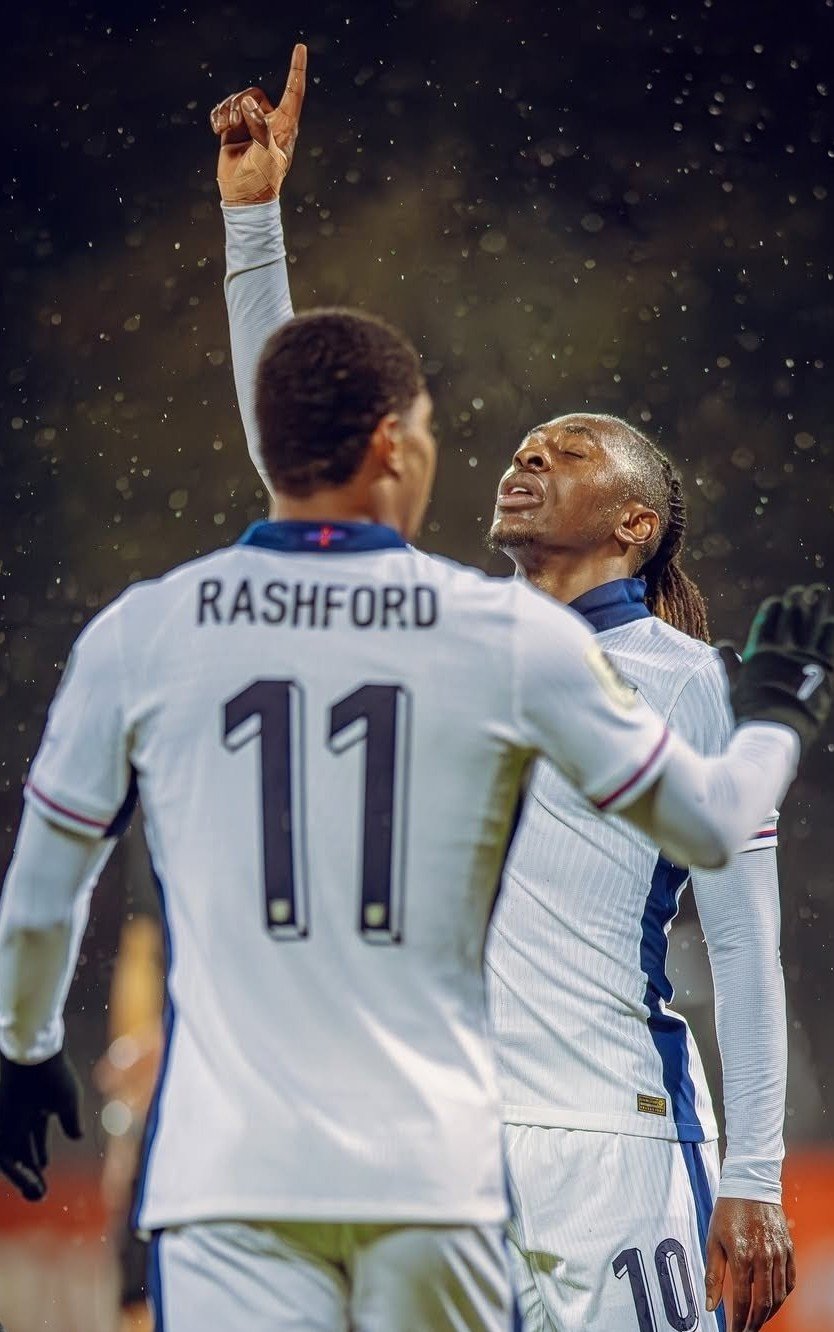
Marcus Rashford and Eberechi Eze represent the depth available off the bench for England during adverse periods. (Photo credit: Bismark Nii Kojo Adjei)
Why This Feels Different
History offers England little comfort.
No England men's side has lifted the World Cup since 1966. No foreign coach has ever led a nation to victory in the men's World Cup. If Tuchel succeeds, he would become the first.
Yet that statistic feels less remarkable than it once did. International football has become increasingly globalised. Tactical ideas travel freely. Players spend their careers working under managers from every corner of the football world.
Tuchel's nationality may ultimately matter less than his expertise. And England have appointed him for exactly that reason.
This is not a team built on nostalgia. It is not a team relying on emotion or mythology.
It is a team led by one of the game's most accomplished tournament coaches, anchored by one of the world's most complete forwards and supported by a generation of players comfortable at the highest level.
That does not make England favourites. It does make them dangerous.
And for perhaps the first time in a long time, that feels like the right kind of hope.
Photo Credits:
Bukayo Saka on the ball, Bismark Nii Kojo Adjei, 14 October 2025 - Photo courtesy of Bismark Nii Kojo Nii Adjei
Harry Kane standing for national anthem, Bismark Nii Kojo Adjei, 17 October 2025 - Photo courtesy of Bismark Nii Kojo Nii Adjei
Eze and Rashford celebrate, Bismark Nii Kojo Adjei, 17 October 2025 - Photo courtesy of Bismark Nii Kojo Nii Adjei
England embrace, Bismark Nii Kojo Adjei, 17 October 2025 - Photo courtesy of Bismark Nii Kojo Nii Adjei
Video Credits:
John Walker, UEFA Licensed Coach and Scout, 29 May 2026 via Twitter @johnwalker_1986
All photos are used with permission. All rights reserved to the creator.

Support PSP Media
If this article resonated with you, consider supporting PSP Media.
Every contribution helps support independent research and reporting